Introduction
PKLI Hospital, formally known as Pakistan Kidney and Liver Institute and Research Centre, represents one of Pakistan’s most significant healthcare developments in recent decades. Located in Lahore, this specialized medical facility has transformed treatment options for patients suffering from kidney and liver diseases across the country.
Whether you’re researching treatment options for yourself or a loved one, understanding what PKLI Hospital offers, how it operates, and what sets it apart from other medical facilities can help you make informed healthcare decisions.
What Is PKLI Hospital and Why Does It Matter
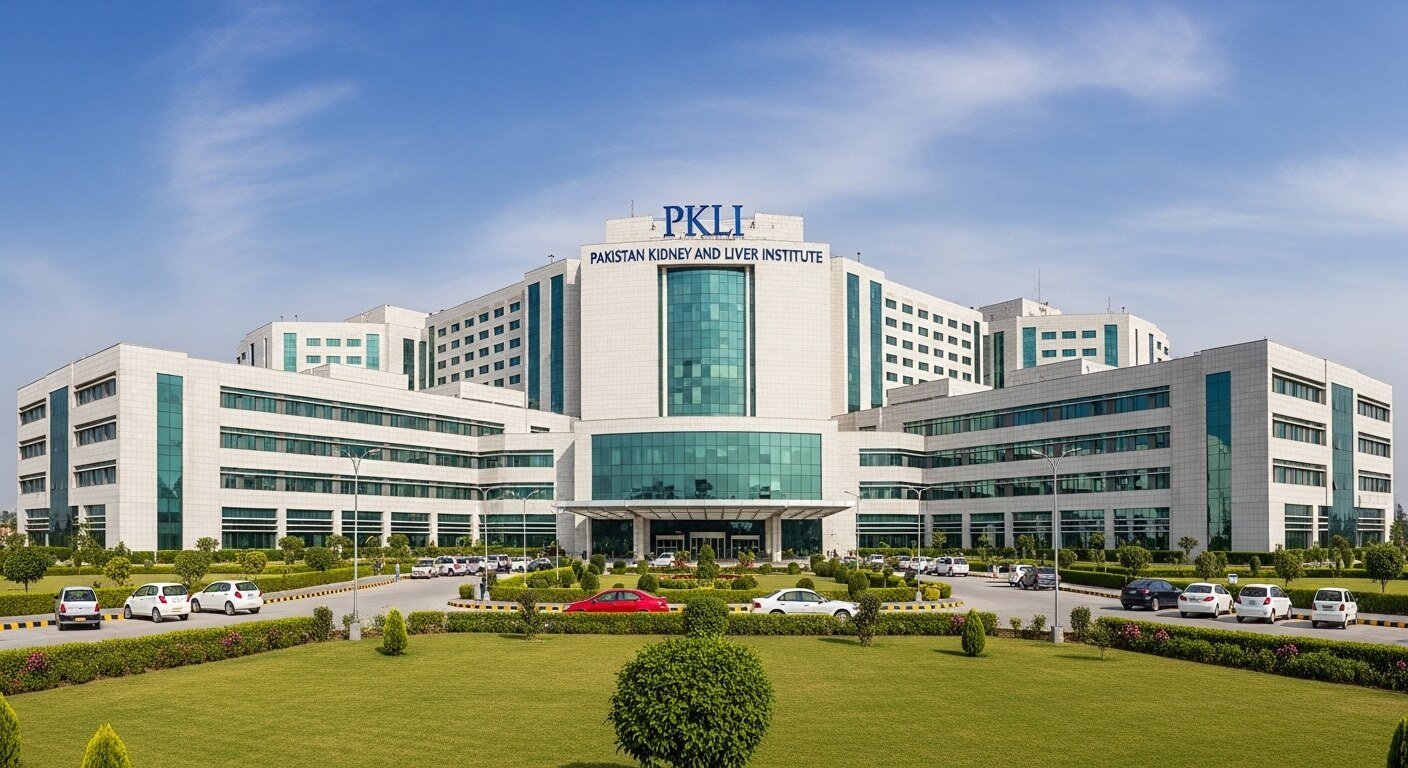
PKLI Hospital was established in 2015 as Pakistan’s first dedicated kidney and liver transplant center. The facility was created through a public-private partnership, combining government support with charitable contributions to address the critical shortage of specialized organ transplant services in Pakistan.
The hospital was founded by Dr. Saeed Akhtar, a renowned surgeon, with backing from the Punjab government. The vision centered on providing world-class transplant services at affordable costs to Pakistani patients who previously had to travel abroad for these procedures.
PKLI Hospital fills a crucial gap in Pakistan’s healthcare system. Before its establishment, patients needing kidney or liver transplants faced limited options: traveling to India, China, or Western countries at prohibitive costs, or relying on inadequate local facilities lacking proper infrastructure and expertise.
The Facility Scope
The hospital campus in Lahore’s Defence area spans considerable space and includes:
- 300+ bed capacity dedicated to nephrology and hepatology
- State-of-the-art operation theaters for transplant surgeries
- Advanced diagnostic laboratories
- Intensive care units specifically designed for post-transplant patients
- Dialysis center with modern equipment
- Outpatient clinics for consultation and follow-up care
The infrastructure meets international standards, with equipment sourced from leading medical technology manufacturers worldwide.
Services Offered at PKLI Hospital
The institution specializes primarily in kidney and liver treatment, though its scope has expanded since opening to include related specialties.
Kidney Transplant Program
PKLI Hospital’s kidney transplant program represents its core service, performing hundreds of transplant surgeries annually. The program accepts both living-donor transplants (typically from family members) and operates within Pakistan’s developing deceased-donor system.
The kidney transplant process at PKLI Hospital includes:
- Initial consultation and eligibility assessment
- Comprehensive medical testing for both the recipient and the donor
- Pre-transplant preparation and counseling
- Transplant surgery is performed by experienced surgical teams
- Post-operative intensive care
- Long-term follow-up and immunosuppression management
Success rates for kidney transplants at PKLI Hospital reportedly match international benchmarks, with one-year graft survival rates exceeding 90% according to hospital data.
Liver Transplant Services
The liver transplant program handles both adult and pediatric cases, addressing conditions like cirrhosis, liver failure, hepatitis complications, and liver cancer. Living donor liver transplants predominate, though the hospital participates in Pakistan’s limited deceased donor program.
Liver transplantation requires significantly more complex surgical expertise than kidney transplants. PKLI Hospital assembled teams trained internationally and equipped operating theaters with specialized equipment necessary for these lengthy, complicated procedures.
The hospital handles various liver transplant types:
- Living donor liver transplantation (adult to adult)
- Pediatric liver transplantation
- Split liver transplantation
- Auxiliary liver transplantation in select cases
Dialysis and Nephrology Services
For patients not yet requiring transplants or awaiting donor availability, PKLI Hospital operates an extensive dialysis facility. The center provides both hemodialysis and peritoneal dialysis options.
The dialysis unit features:
- Modern dialysis machines from international manufacturers
- Trained nursing staff specialized in dialysis care
- Infection control protocols exceeding basic standards
- Flexible scheduling to accommodate patient needs
- Home dialysis training programs
Patients can receive acute dialysis services or enroll in chronic dialysis programs with long-term treatment plans.
Additional Specialties
While focused on kidneys and livers, PKLI Hospital has expanded to related specialties:
- Hepatology (liver disease treatment without transplant)
- Nephrology (kidney disease management)
- Critical care and intensive care medicine
- Infectious diseases (particularly hepatitis treatment)
- Radiology and diagnostic imaging
- Laboratory medicine and pathology
This expansion allows comprehensive treatment of organ disease from early diagnosis through transplantation and long-term management.
The Cost Factor: Affordability at PKLI Hospital
One of PKLI Hospital’s founding principles was making transplant services financially accessible to ordinary Pakistanis. Healthcare costs in Pakistan vary dramatically between public and private sectors, and transplant surgery traditionally remained prohibitively expensive.
Pricing Structure
PKLI Hospital operates on a subsidized model where fees cover only a fraction of actual costs, with the remainder funded through government support and charitable donations.
Approximate costs at PKLI Hospital include:
Kidney transplant package: PKR 500,000 – 800,000 ($1,800 – $2,900 USD)
Liver transplant package: PKR 1,500,000 – 2,500,000 ($5,400 – $9,000 USD)
Dialysis per session: PKR 3,000 – 5,000 ($11 – $18 USD)
These prices represent a fraction of costs at private hospitals in Pakistan, where kidney transplants can exceed PKR 2,000,000 and liver transplants PKR 5,000,000 or more.
Financial Assistance Programs
PKLI Hospital maintains charitable funds supporting patients who cannot afford even subsidized rates. The Hamza Foundation and other charitable organizations partner with the hospital to sponsor surgeries for deserving patients.
Patients can apply for financial assistance through:
- Direct application to the hospital social services department
- Referrals from charitable organizations
- Government assistance programs
- Philanthropic sponsorships
Approval depends on financial need assessment and fund availability. The hospital claims that no patient is turned away solely due to inability to pay, though wait times may extend for charity cases depending on funding.
Medical Expertise and International Standards
The quality of medical care depends heavily on staff expertise and adherence to international protocols. PKLI Hospital has invested significantly in both areas.
Medical Staff Credentials
The hospital recruited surgeons and specialists with international training and experience. Many staff members completed fellowships or worked at transplant centers in the United States, the United Kingdom, or other countries with established programs.
Key personnel typically hold:
- Board certifications in relevant specialties
- Fellowship training in transplant surgery or nephrology/hepatology
- Years of experience at high-volume centers
- Ongoing participation in international conferences and continuing education
The nursing staff receives specialized training in transplant patient care, critical for successful outcomes, given the complex post-operative needs of transplant recipients.
Quality Certifications
PKLI Hospital has pursued various quality certifications demonstrating a commitment to international standards:
- ISO 9001 quality management certification
- College of American Pathologists (CAP) accreditation for the laboratory
- Infection control protocols following CDC and WHO guidelines
- Operating room standards meet international specifications
These certifications require ongoing compliance monitoring and regular audits, ensuring sustained quality rather than one-time achievements.
Outcome Data and Transparency
Unlike many Pakistani healthcare facilities, PKLI Hospital publishes outcome data, including transplant volumes, success rates, and complication frequencies. This transparency allows patients to make informed decisions based on actual performance rather than marketing claims.
Published data shows:
- Annual kidney transplants: 200-300 procedures
- Annual liver transplants: 80-120 procedures
- One-year kidney graft survival: 90-95%
- One-year liver graft survival: 85-90%
- Major complication rates comparable to international centers
These statistics suggest performance meeting or approaching international benchmarks, though independent verification would strengthen credibility.
How PKLI Hospital Compares to Alternatives
Patients considering PKLI Hospital typically weigh it against other options within Pakistan and abroad.
Vs. Other Pakistani Hospitals
Several private hospitals in Lahore, Karachi, and Islamabad offer transplant services, though with different approaches and costs.
Shaukat Khanum Memorial Cancer Hospital:
- Excellent reputation for cancer care
- Limited transplant program focused on cancer patients
- Similar charitable model of PKLI
- Liver transplants primarily for cancer-related cases
Sindh Institute of Urology and Transplantation (SIUT):
- Completely free services funded entirely by donations
- Located in Karachi
- Primarily kidney transplants with a limited liver program
- Long waiting lists due to high demand for free services
Private hospitals (Hameed Latif, Doctors Hospital, etc.):
- Higher costs (2-4x PKLI rates)
- Modern facilities and equipment
- Less specialized focus
- Variable transplant volumes and experience
PKLI Hospital occupies a middle ground: more affordable than fully private hospitals but with shorter wait times than completely free facilities like SIUT.
Vs. International Options
Many Pakistanis historically traveled to India, China, Turkey, or Western countries for transplants. PKLI Hospital aims to provide comparable care domestically.
India (Apollo, Fortis, Medanta):
- Established transplant programs with high volumes
- Costs: $15,000-30,000 USD for a kidney, $40,000-70,000 for a liver
- Travel and accommodation expenses
- Visa and travel complications
- Language and cultural familiarity
China:
- Lower costs than Western countries
- Language barriers
- Concerns about organ sourcing ethics
- Distance and travel difficulty
PKLI Hospital advantages:
- Significantly lower costs
- No travel required
- Urdu/Punjabi language communication
- Family support accessibility during recovery
- Familiar cultural context
International advantages:
- Longer-established programs with decades of data
- Access to the latest clinical trials and experimental treatments
- Higher volume centers with extremely specialized expertise
For many Pakistani patients, PKLI Hospital offers the best balance of quality, accessibility, and affordability.
Patient Experience and Practical Considerations
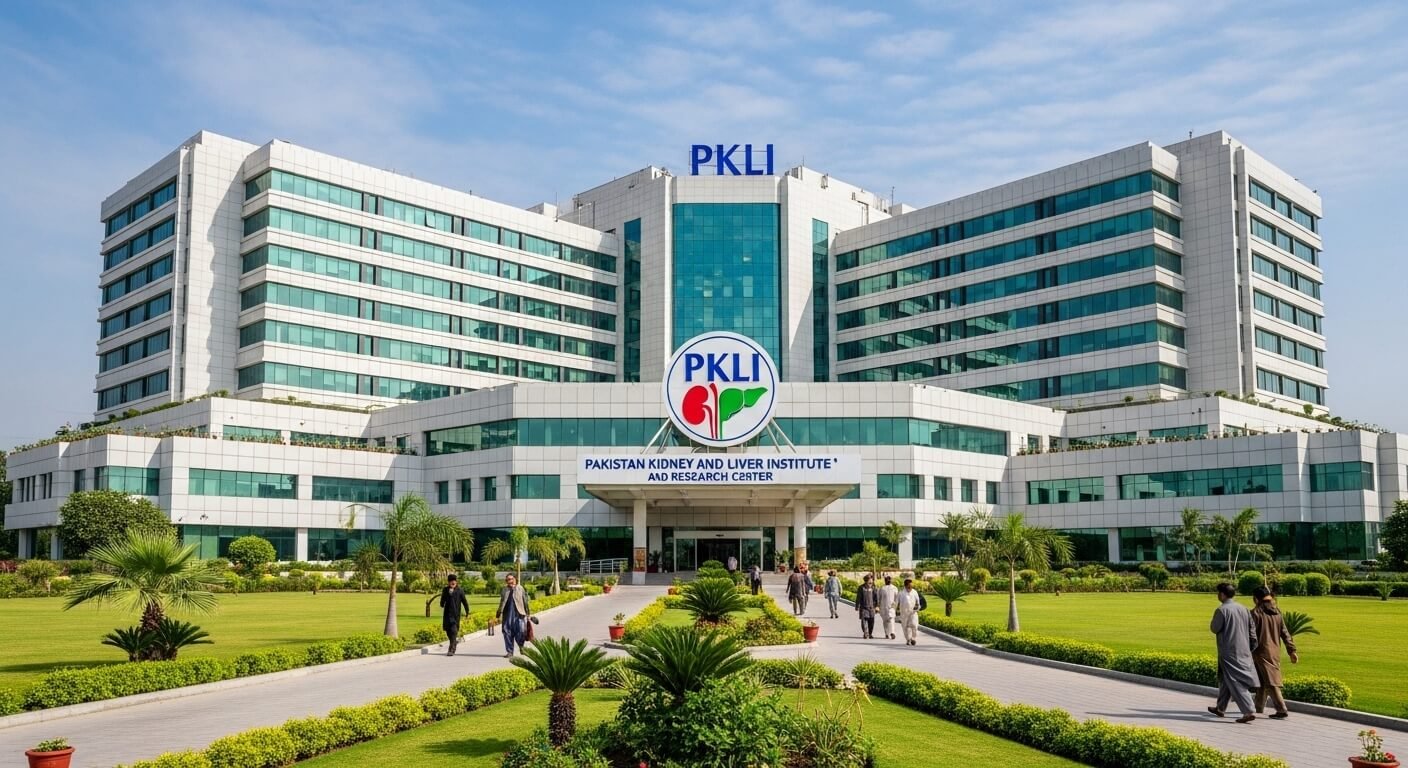
Beyond medical outcomes, the overall patient experience significantly impacts treatment success and satisfaction.
Admission and Appointment Process
Getting treatment at PKLI Hospital requires navigating several steps:
- Initial consultation (outpatient clinic)
- Diagnostic testing and evaluation
- Transplant committee review and approval
- Donor evaluation (for living donor transplants)
- Scheduling and pre-operative preparation
- Admission and surgery
- Post-operative care and discharge
- Long-term follow-up
Wait times vary depending on urgency, donor availability, and hospital capacity. Elective kidney transplants with available living donors might proceed within weeks, while patients on dialysis waiting for deceased donors face months or years.
Facility Conditions
Patient and family reports about PKLI Hospital’s physical conditions are generally positive, noting:
- Clean, well-maintained facilities
- Modern equipment and infrastructure
- Adequate nursing staff during normal shifts
- Private rooms available for post-transplant patients
- Family waiting areas and accommodation options
Criticisms occasionally appear regarding:
- Overcrowding during peak periods
- Administrative delays and paperwork bureaucracy
- Occasional supply shortages
- Communication gaps between departments
These issues affect many Pakistani hospitals, not just PKLI Hospital, reflecting broader healthcare system challenges.
Post-Transplant Care
Successful transplantation requires lifelong medical management. PKLI Hospital provides:
- Regular follow-up clinic appointments
- Laboratory monitoring of organ function
- Immunosuppression medication management
- Treatment of rejection episodes or complications
- Coordination with local physicians for ongoing care
The quality of post-transplant follow-up significantly impacts long-term outcomes. PKLI Hospital’s dedicated transplant coordinators help patients navigate this complex care.
Challenges and Limitations
Despite its achievements, PKLI Hospital faces several significant challenges that patients should understand.
Organ Shortage Crisis
Like transplant centers worldwide, PKLI Hospital confronts severe organ shortage. Demand for transplants far exceeds available organs, creating difficult allocation decisions and long waiting lists.
Pakistan’s deceased donor program remains underdeveloped due to:
- Cultural and religious concerns about brain death determination
- Lack of public awareness about organ donation
- Insufficient infrastructure for organ procurement
- Legal and regulatory gaps
This forces heavy reliance on living donors, primarily family members, which limits transplant access to patients with willing and compatible relatives.
Financial Sustainability Questions
PKLI Hospital’s subsidized model depends on continued government funding and charitable donations. Changes in either funding stream could affect service availability or pricing.
The hospital operates at a financial loss on most procedures, making sustainability dependent on external support. Economic pressures or government budget cuts could force difficult decisions about service levels or eligibility criteria.
Capacity Constraints
Despite expansion since opening, PKLI Hospital cannot meet all the demand for its services. Bed capacity, surgical team availability, and intensive care resources all limit patient volumes.
This creates wait times and forces rationing decisions about who receives treatment when. The hospital uses medical urgency scoring systems for prioritization, but capacity constraints mean not all patients receive timely care.
Making Your Decision About PKLI Hospital
If you’re considering PKLI Hospital for yourself or a family member, several factors should guide your decision.
Choose PKLI Hospital if you:
- Need kidney or liver transplant services
- Require high-quality care at affordable costs
- Prefer treatment in Pakistan near family support
- Have already secured a living donor
- Meet medical eligibility criteria
- Can navigate Pakistani healthcare bureaucracy
Consider alternatives if you:
- Require ultra-specialized care for rare conditions
- Need access to experimental treatments or clinical trials
- Have resources for international treatment
- Face urgent timelines incompatible with wait times
- Require specialties outside PKLI’s focus areas
Questions to ask during consultation:
- What are realistic wait times for my specific situation?
- What financial assistance options apply to my case?
- What are success rates for patients with my condition specifically?
- What post-transplant support does the hospital provide?
- How often will follow-up appointments be needed?
- What medications will I need and at what costs?
Honest answers to these questions will help you make informed decisions aligned with your medical needs and practical circumstances.
The Broader Impact on Pakistani Healthcare
Beyond individual patient care, PKLI Hospital represents an important model for addressing specialized healthcare gaps in developing countries. The public-private partnership approach, focus on affordability, and commitment to international standards demonstrate how emerging markets can develop world-class medical facilities.
The hospital has trained numerous Pakistani doctors and nurses in transplant medicine, building expertise that benefits the entire healthcare system. Many staff members have gone on to establish or improve programs at other institutions, multiplying PKLI’s impact beyond its own walls.
For Pakistani patients facing kidney or liver disease, PKLI Hospital transformed a previously desperate situation into one with realistic hope for treatment and survival. The facility proves that with proper vision, funding, and execution, Pakistan can provide sophisticated medical care domestically rather than forcing patients abroad or denying them treatment entirely.
While challenges remain and no healthcare institution is perfect, PKLI Hospital has earned its reputation as a beacon of specialized care in Pakistan’s complex healthcare landscape, giving thousands of patients access to life-saving treatments that were previously beyond reach.