Introduction
Bright pink skin, green scales, and speckled flesh make pitaya fruit one of the most visually striking fruits in the world. Often called dragon fruit, this tropical cactus fruit has moved from specialty markets to mainstream grocery stores over the past decade. Its mild sweetness, impressive nutrient profile, and eye-catching appearance have made it a favorite among health-conscious eaters.
Beyond the Instagram-worthy look, pitaya fruit carries real nutritional value. It provides fiber, antioxidants, and essential minerals while remaining low in calories. These qualities have helped it gain a reputation as a modern superfruit.
This guide explores what pitaya fruit actually is, where it comes from, its nutritional benefits, how it compares with other fruits, potential risks, and the best ways to eat it.
What Is Pitaya Fruit?
Pitaya fruit grows on several species of climbing cactus in the genus Hylocereus and Selenicereus. Despite its desert-plant origins, the fruit thrives in warm tropical climates where the cactus vines can climb trellises or trees.
The fruit has a thick, leathery skin with leaf-like scales that resemble flames or dragon scales. Inside, the flesh ranges from white to deep magenta, dotted with small edible black seeds.
Origins and Global Cultivation
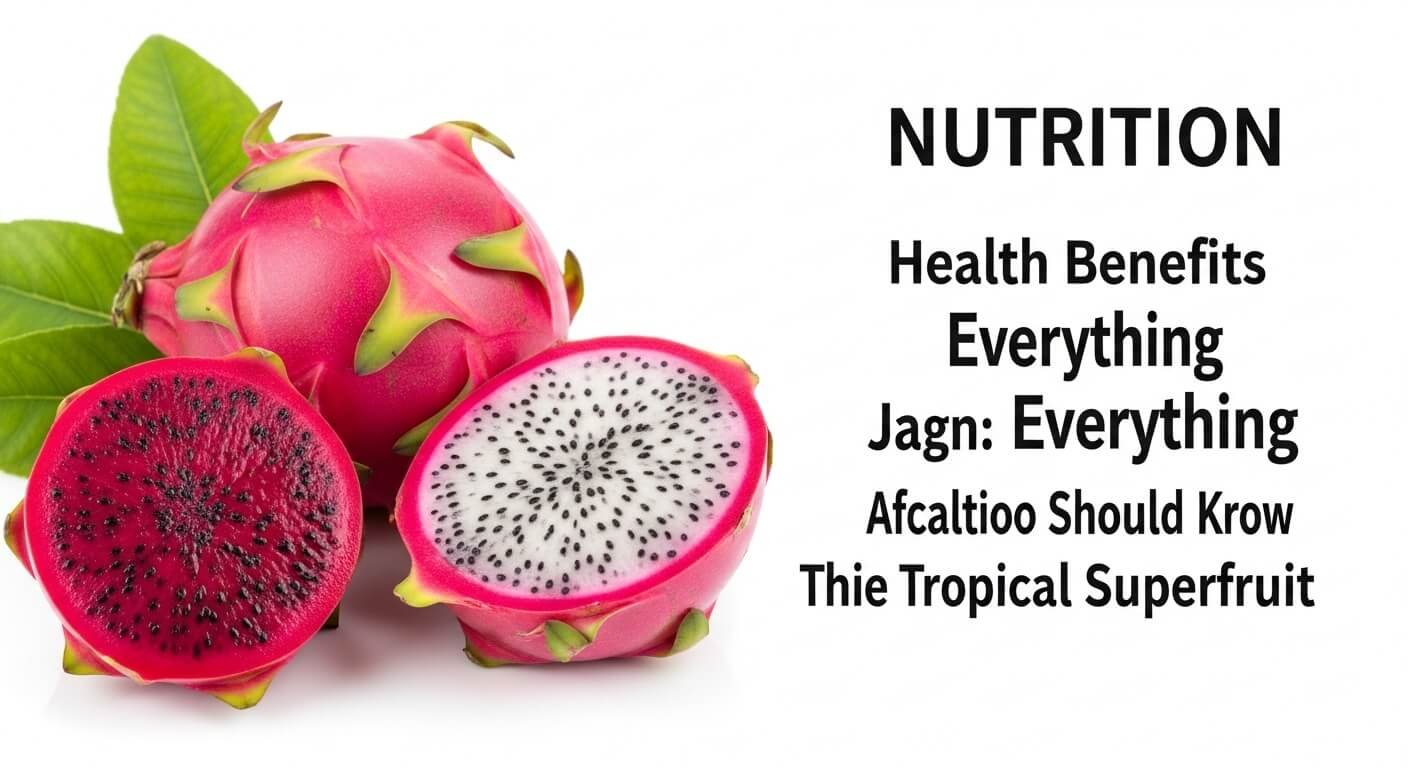
Pitaya fruit originated in Central America, particularly regions that now belong to Mexico and Nicaragua. Spanish explorers later carried the plant to Southeast Asia, where it became widely cultivated.
Today, the fruit is grown commercially in many regions:
-
Vietnam (the largest global exporter)
-
Thailand
-
Malaysia
-
Israel
-
Mexico
-
Nicaragua
-
Australia
-
United States (mainly Florida and California)
Vietnam alone produces more than 1 million tons of dragon fruit annually, accounting for a large portion of the global supply.
Common Types of Pitaya Fruit
Several varieties exist, each with distinct flavors and colors.
-
White-fleshed pitaya (Hylocereus undatus)
Pink skin with white flesh and black seeds. Mild sweetness. -
Red-fleshed pitaya (Hylocereus costaricensis)
Bright magenta flesh with a stronger flavor. -
Yellow pitaya (Selenicereus megalanthus)
Yellow skin with white flesh. Usually sweeter and smaller.
Each variety offers similar nutritional benefits but slightly different taste and sweetness levels.
What Does Pitaya Fruit Taste Like?
Pitaya fruit has a delicate flavor that sits somewhere between:
-
Kiwi
-
Pear
-
Watermelon
The texture is creamy yet slightly crunchy because of the seeds. Many people describe it as lightly sweet and refreshing rather than intensely sugary.
Nutritional Profile of Pitaya Fruit
One reason pitaya fruit has gained attention in health circles is its strong nutrient content relative to its calorie count.
A typical 100-gram serving contains roughly:
-
Calories: 50–60
-
Carbohydrates: 13 grams
-
Fiber: 3 grams
-
Protein: 1 gram
-
Vitamin C: 9–10% of daily value
-
Magnesium: 10% of the daily value
-
Iron: 4–8% of daily value
These values can vary slightly depending on the variety.
Key Vitamins and Minerals
Pitaya fruit delivers several nutrients that support everyday health.
Vitamin C
-
Strengthens the immune system
-
Supports skin repair and collagen production
Magnesium
-
Supports muscle function
-
Helps regulate blood pressure
Iron
-
Supports red blood cell production
-
Helps prevent fatigue and anemia
Antioxidants in Pitaya Fruit
Pitaya fruit is particularly rich in plant compounds known as antioxidants.
Important ones include:
-
Betalains – pigments responsible for the red color
-
Flavonoids – protect cells from oxidative stress
-
Phenolic acids – associated with anti-inflammatory effects
Research published in food science journals suggests these compounds may help protect cells from damage linked to chronic disease.
Health Benefits of Pitaya Fruit
Pitaya fruit has gained popularity partly because of its potential health advantages. While it isn’t a miracle food, its nutrient combination offers several meaningful benefits.
Supports Digestive Health
Fiber plays a central role in digestion, and pitaya fruit contains both soluble and insoluble fiber.
Benefits include:
-
Improved bowel regularity
-
Better gut microbiome balance
-
Reduced constipation risk
The fruit also contains prebiotics, compounds that feed beneficial gut bacteria.
Helps Strengthen the Immune System
The vitamin C and antioxidants in pitaya fruit help protect immune cells from damage caused by free radicals.
Regular consumption may contribute to:
-
Reduced inflammation
-
Better immune response
-
Faster recovery from minor infections
May Support Heart Health
Several nutrients in pitaya fruit benefit cardiovascular health.
These include:
-
Fiber, which helps lower cholesterol levels
-
Magnesium, which supports healthy blood pressure
-
Antioxidants that protect blood vessels
Small studies suggest dragon fruit may help improve cholesterol balance by increasing HDL (good cholesterol) levels.
Provides Hydration and Electrolytes
Pitaya fruit contains about 85–90% water, making it naturally hydrating.
It also provides small amounts of electrolytes, such as:
-
Magnesium
-
Potassium
These minerals support muscle and nerve function.
Potential Blood Sugar Benefits
Despite its sweetness, pitaya fruit has a relatively low glycemic index compared with many tropical fruits.
Some animal studies suggest dragon fruit may help regulate blood sugar levels by improving insulin sensitivity, though human research is still developing.
Pitaya Fruit vs Other Popular Fruits
Understanding how pitaya fruit compares with other fruits can help you decide how to incorporate it into your diet.
Pitaya vs Kiwi
Both fruits share visual similarities due to their tiny seeds.
Pitaya advantages
-
Lower acidity
-
Mild flavor suitable for many dishes
-
Slightly lower calories
Kiwi advantages
-
Higher vitamin C content
-
Stronger flavor
Pitaya vs Mango
Mango is far sweeter and richer.
Pitaya advantages
-
Lower sugar content
-
Fewer calories
-
Higher fiber per calorie
Mango advantages
-
Higher vitamin A
-
More intense flavor
Pitaya vs Watermelon
Both fruits are refreshing and hydrating.
Pitaya advantages
-
More fiber
-
More antioxidants
-
Higher magnesium
Watermelon advantages
-
Higher water content
-
Rich in lycopene
Pitaya fruit often appeals to people looking for a balance between nutrition and light sweetness.
How to Choose and Store Pitaya Fruit
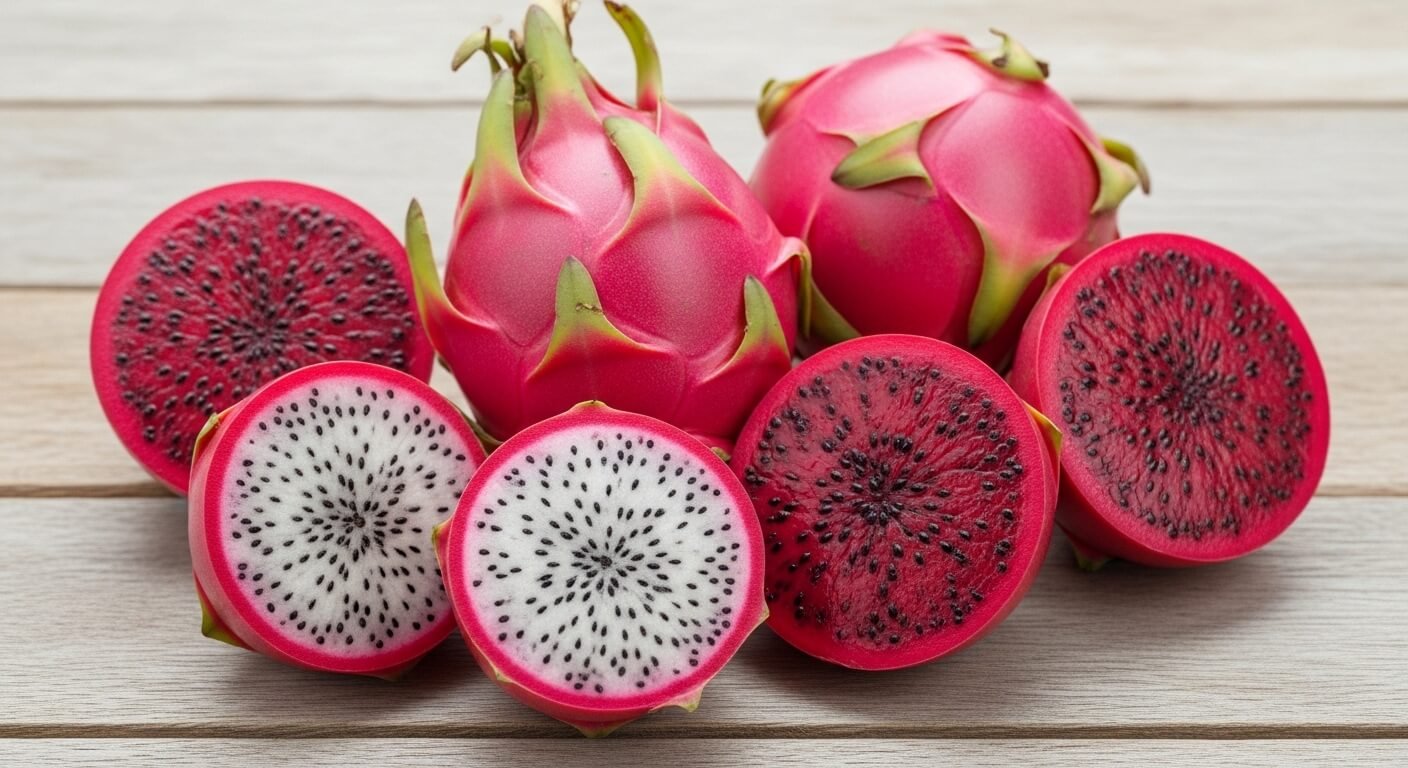
Buying high-quality fruit dramatically improves flavor.
How to Pick a Ripe Pitaya Fruit
Look for the following signs:
-
Bright, evenly colored skin
-
Slight softness when pressed
-
No major bruises or dark spots
-
Fresh green tips on the scales
Avoid fruit that feels overly soft or has shriveled skin.
How to Store Pitaya Fruit
Proper storage preserves freshness.
At room temperature
-
Lasts about 2–3 days
In the refrigerator
-
Can stay fresh for up to one week
Once cut, the fruit should be stored in an airtight container and eaten within 2–3 days.
How to Cut Pitaya Fruit
Preparing pitaya fruit is simple.
-
Slice the fruit in half lengthwise
-
Scoop out the flesh with a spoon
-
Slice or cube the flesh as desired
The skin is not typically eaten.
Ways to Eat Pitaya Fruit
Pitaya fruit works in many dishes thanks to its mild flavor.
Fresh and Simple
The easiest way to enjoy it:
-
Chilled slices
-
Cubed fruit salads
-
Breakfast bowls
Its vibrant color also adds visual appeal to plates.
Smoothies and Bowls
Pitaya fruit blends easily and creates bright pink smoothies.
Popular combinations include:
-
Pitaya + banana + coconut milk
-
Pitaya + pineapple + lime
-
Pitaya + yogurt + berries
Frozen dragon fruit puree packets have become widely available for smoothie bowls.
Desserts and Drinks
Pitaya fruit can also enhance desserts.
Common uses include:
-
Sorbet
-
Popsicles
-
Fruit tarts
-
Cocktails
-
Lemonades
Its subtle sweetness pairs well with citrus and tropical flavors.
Pros and Cons of Pitaya Fruit
Like any food, pitaya fruit has both strengths and limitations.
Pros
-
Low in calories
-
Rich in antioxidants
-
Contains gut-friendly fiber
-
Hydrating and refreshing
-
Naturally vegan and gluten-free
Cons
-
Flavor can be mild compared with other fruits
-
Often expensive outside tropical regions
-
Spoils relatively quickly once ripe
-
Nutritional benefits are moderate rather than extraordinary
Many people buy pitaya fruit initially for its appearance, but continue eating it for its versatility and health value.
Risks and Things to Watch Out For
Pitaya fruit is generally very safe to eat, but a few considerations are worth knowing.
Rare Allergic Reactions
Although uncommon, some individuals may experience allergies.
Possible symptoms include:
-
Itchy mouth
-
Swelling
-
Skin irritation
Anyone with a history of fruit allergies should try a small portion first.
Red Urine or Stool
Red-fleshed pitaya can temporarily tint urine or stool pink or red.
This effect is harmless and caused by the fruit’s natural pigments.
Sugar Content
While pitaya fruit contains less sugar than many tropical fruits, moderation is still important for individuals managing diabetes.
A typical serving contains around 8–9 grams of natural sugar.
Environmental and Agricultural Impact
Pitaya fruit has gained attention not only for its nutrition but also for its agricultural efficiency.
Efficient Water Use
Cactus plants require less water than many fruit crops, making them suitable for dry climates.
Benefits include:
-
Lower irrigation needs
-
Reduced agricultural water consumption
Night-Blooming Flowers
The cactus produces large flowers that bloom at night and last only one evening.
These flowers are often pollinated by:
-
Bats
-
Moths
-
Bees (early morning)
The short bloom window makes cultivation challenging but fascinating.
Why Pitaya Fruit Has Become a Global Trend
Over the past decade, pitaya fruit has become increasingly popular in health food culture.
Several factors explain this rise.
Visual Appeal
The vibrant pink flesh stands out in photos and dishes, helping the fruit gain popularity on social media.
Plant-Based Diet Trends
People following plant-focused diets seek fruits rich in fiber and antioxidants.
Pitaya fruit fits that demand well.
Smoothie Bowl Culture
Dragon fruit puree has become a staple ingredient in smoothie bowls sold in cafes worldwide.
These bowls often combine:
-
Frozen pitaya
-
Bananas
-
Granola
-
Coconut flakes
The result is both visually appealing and nutrient-dense.
Final Thoughts on Pitaya Fruit
Pitaya fruit combines a striking appearance with genuine nutritional value. It provides fiber, antioxidants, hydration, and essential minerals while remaining relatively low in calories. Its mild flavor makes it easy to add to smoothies, fruit salads, and desserts without overpowering other ingredients.
The fruit may not be the most nutrient-dense option in the produce aisle, but its balanced profile and versatility make it a worthwhile addition to a healthy diet. Whether eaten fresh, blended into smoothies, or served in colorful bowls, pitaya fruit offers a refreshing way to expand the variety of fruits on your plate while enjoying the benefits of a tropical superfruit.