Introduction
Many people describe brain zaps as sudden electrical sensations in the head that appear without warning. The experience is brief but unsettling. Some feel a quick jolt inside the brain, others notice dizziness, a flash-like sensation, or a momentary disorientation.
These sensations often occur when someone stops or changes certain medications, especially antidepressants. Despite how common the experience has become in online communities and patient reports, brain zaps remain poorly understood in medical research.
Learning what brain zaps are, why they occur, and how to reduce them helps people navigate medication changes safely. This guide explains the science behind the sensation, the symptoms people report, and practical steps for managing it.
What Are Brain Zaps?
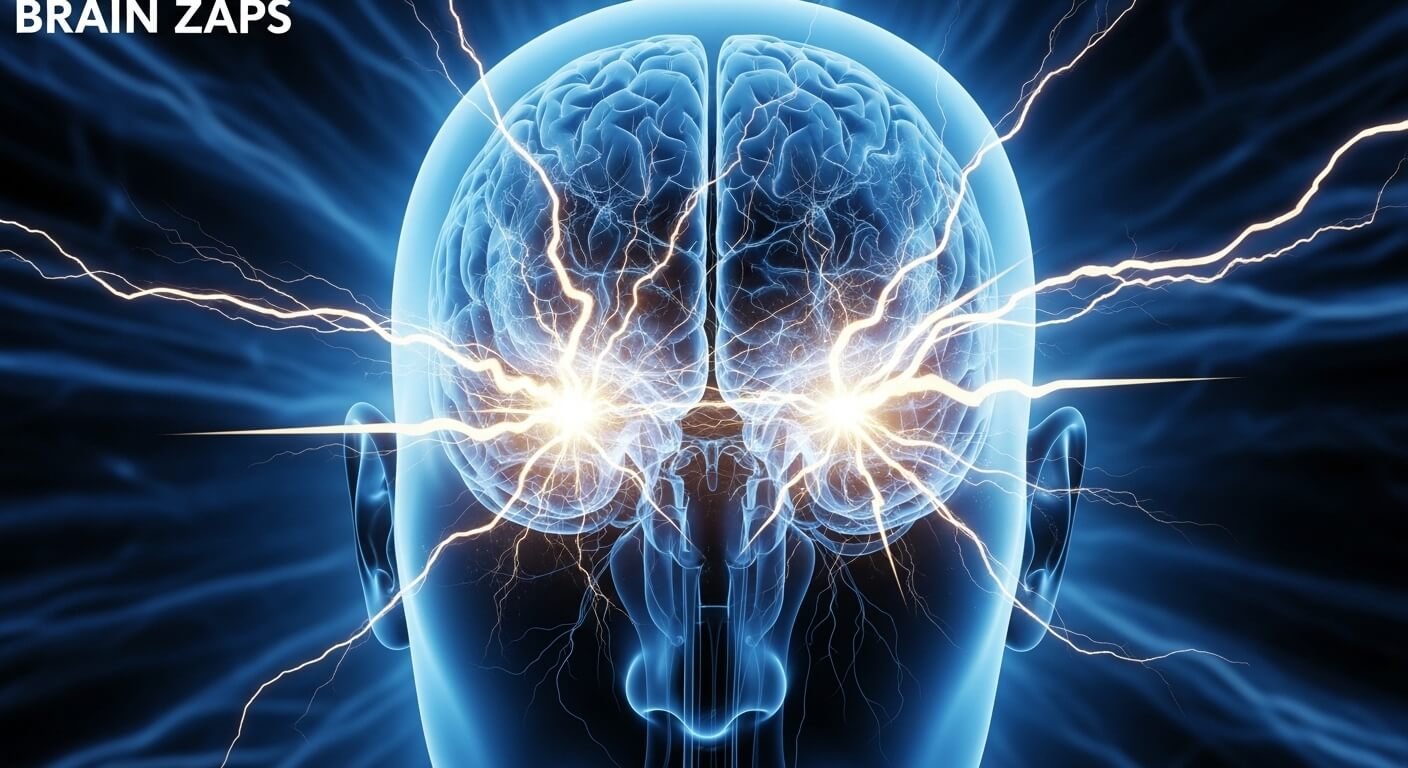
Brain zaps are short, shock-like sensations that occur in the head. People often describe them as a sudden burst of electricity in the brain that lasts only a second or two.
They are not a formally recognized medical diagnosis. Instead, the term developed informally among patients experiencing neurological sensations during medication withdrawal.
How People Describe Brain Zaps
Descriptions vary widely, but several themes appear consistently.
Common descriptions include:
-
A quick electrical shock in the brain
-
A buzzing or vibrating feeling in the head
-
A sudden flash or “zap” when moving the eyes
-
Brief dizziness or disorientation
-
A sensation similar to static electricity
Many people say the sensation travels from the head down the neck or shoulders.
How Long Do Brain Zaps Last
Brain zaps are extremely brief.
Typical characteristics include:
-
Duration: 1–2 seconds
-
Occurrence: Several times per day or intermittently
-
Frequency: Often higher during medication withdrawal
While uncomfortable, they rarely cause permanent harm.
Why the Name “Brain Zaps” Stuck
The term became popular because it accurately reflects the sensation patients feel. Online support groups, mental health forums, and patient communities adopted the phrase long before clinicians began studying it.
Today, many doctors recognize the term because patients frequently use it when describing withdrawal symptoms.
Why Brain Zaps Happen
Scientists still debate the exact mechanism behind brain zaps. Research suggests they may involve changes in neurotransmitters, particularly serotonin.
The Role of Neurotransmitters
Neurotransmitters are chemical messengers that allow brain cells to communicate.
Important ones include:
-
Serotonin – mood regulation and emotional stability
-
Dopamine – motivation and reward
-
Norepinephrine – alertness and stress response
Medications that alter these chemicals can temporarily disrupt brain signaling when stopped.
Antidepressant Discontinuation
Brain zaps most often occur when someone stops taking antidepressant medications, especially those that affect serotonin levels.
Common medications associated with this experience include:
-
SSRIs (Selective Serotonin Reuptake Inhibitors)
-
SNRIs (Serotonin-Norepinephrine Reuptake Inhibitors)
Research suggests up to 20–50% of patients experience some form of antidepressant discontinuation symptoms when stopping these medications abruptly.
Brain zaps are one of the most widely reported symptoms.
Nervous System Adjustment
When medications affect brain chemistry for months or years, the nervous system adapts.
Stopping medication suddenly can cause temporary instability in how neurons communicate. Some researchers believe this instability may produce the electrical-like sensations people describe.
Common Causes and Triggers of Brain Zaps
While medication withdrawal is the most frequent cause, other triggers sometimes play a role.
Antidepressant Withdrawal
Stopping certain medications abruptly can produce withdrawal symptoms known as antidepressant discontinuation syndrome.
Symptoms may include:
-
Brain zaps
-
Dizziness
-
Fatigue
-
Mood changes
-
Sleep disturbances
Medications with shorter half-lives tend to cause stronger withdrawal effects.
Missed Medication Doses
Brain zaps can occur even when someone misses only a few doses.
People taking daily antidepressants sometimes notice symptoms within 24–48 hours of skipping medication.
This happens because drug levels in the bloodstream drop quickly.
Rapid Dose Reduction
Doctors usually recommend gradually reducing antidepressant doses.
Lowering the dose too quickly can increase the likelihood of brain zaps.
Stress and Sleep Deprivation
Some individuals report more frequent brain zaps when they are:
-
Sleep deprived
-
Under significant stress
-
Physically exhausted
These factors may make the nervous system more sensitive during withdrawal.
Symptoms Associated with Brain Zaps
Brain zaps rarely occur alone. Many people experience other neurological sensations at the same time.
Physical Symptoms
Common physical effects include:
-
Brief dizziness
-
Head pressure
-
Balance changes
-
Sensitivity to movement
-
Electric shock sensations
These symptoms typically resolve quickly.
Sensory Experiences
Some people notice sensory changes during brain zaps.
Examples include:
-
Flashing lights
-
Sudden ringing in the ears
-
Vibrating sensations
-
Visual distortions
These effects usually disappear within seconds.
Emotional and Cognitive Effects
Brain zaps sometimes coincide with temporary emotional symptoms.
Possible experiences include:
-
Anxiety
-
Irritability
-
Confusion
-
Difficulty concentrating
These symptoms tend to improve as the brain readjusts.
How Brain Zaps Compare to Other Neurological Sensations
Brain zaps can feel alarming, especially for people experiencing them for the first time. Understanding how they differ from other neurological symptoms can reduce anxiety.
Brain Zaps vs Migraine Aura
Migraine auras involve neurological changes before a migraine headache.
Differences include:
Brain Zaps
-
Extremely brief
-
Electrical sensation
-
Often linked to medication changes
Migraine Aura
-
Visual patterns or flashing lights
-
Can last 20–60 minutes
-
Usually followed by a headache
Brain Zaps vs Seizures
Seizures involve abnormal electrical activity in the brain and are far more serious.
Key differences:
Brain zaps:
-
Last seconds
-
Do not cause loss of consciousness
-
Do not involve muscle convulsions
Seizures:
-
May involve loss of awareness
-
Cause body movements or convulsions
-
Require medical evaluation
Anyone experiencing symptoms resembling seizures should seek medical care.
Brain Zaps vs Anxiety Symptoms
Some anxiety attacks produce dizziness or tingling sensations.
Brain zaps differ because they feel distinctly electrical and are often linked to medication withdrawal rather than psychological stress alone.
How Long Do Brain Zaps Last
The duration varies widely from person to person.
Typical Timeline
For many individuals:
-
Brain zaps begin within a few days of stopping medication
-
Symptoms peak during the first one to two weeks
-
Gradual improvement follows
Long-Term Cases
A smaller number of people report symptoms lasting several months.
Factors influencing duration include:
-
Length of medication use
-
Dosage levels
-
Speed of tapering
-
Individual nervous system sensitivity
Slow medication tapering significantly reduces long-term symptoms.
Ways to Reduce or Manage Brain Zaps
Several strategies can reduce the likelihood or severity of brain zaps.
Gradual Medication Tapering
The most effective prevention strategy involves reducing medication slowly.
Doctors often recommend:
-
Lowering doses gradually
-
Waiting several weeks between reductions
-
Monitoring symptoms carefully
This allows the brain time to adjust.
Staying Consistent With Medication
Taking medication at the same time each day helps maintain stable blood levels.
Skipping doses increases the chance of withdrawal symptoms.
Supporting Nervous System Recovery
Healthy lifestyle habits support brain recovery.
Helpful practices include:
-
Regular sleep schedules
-
Hydration
-
Balanced nutrition
-
Moderate physical activity
These factors stabilize the nervous system during withdrawal.
Medical Guidance
Anyone planning to stop antidepressants should work with a healthcare professional.
Doctors may recommend:
-
Extended tapering schedules
-
Switching medications temporarily
-
Monitoring withdrawal symptoms
Professional guidance reduces complications.
Pros and Cons of Understanding Brain Zaps

Awareness of brain zaps offers benefits but can also create anxiety if misunderstood.
Pros
-
Helps people recognize withdrawal symptoms
-
Encourages safe medication tapering
-
Reduces fear when sensations occur
-
Promotes open conversations with doctors
Cons
-
Online information may exaggerate risks
-
Self-diagnosis can delay proper medical evaluation
-
Anxiety about symptoms may worsen the experience
Accurate information helps balance awareness with perspective.
Risks and Warning Signs
Brain zaps themselves are usually harmless, but certain symptoms require medical attention.
When to Contact a Doctor
Seek medical guidance if symptoms include:
-
Severe confusion
-
Persistent dizziness
-
Vision problems
-
Loss of consciousness
-
Seizure-like activity
These symptoms may indicate another neurological condition.
Mental Health Considerations
Stopping antidepressants can sometimes lead to a return of the original condition.
Watch for signs such as:
-
Persistent sadness
-
Panic attacks
-
Loss of interest in daily activities
-
Suicidal thoughts
Mental health changes deserve prompt medical support.
What Research Says About Brain Zaps
Scientific understanding of brain zaps is still developing.
Most knowledge comes from:
-
Patient reports
-
Clinical observations
-
Antidepressant discontinuation studies
Some research suggests disruptions in serotonin signaling pathways may influence sensory processing in the brain.
More detailed neurological studies are still needed to fully explain the phenomenon.
Living With Brain Zaps During Recovery
People experiencing brain zaps often find reassurance in knowing the sensations are temporary.
Helpful coping strategies include:
-
Practicing relaxation techniques
-
Avoiding sudden medication changes
-
Staying hydrated and well rested
-
Tracking symptoms to discuss with doctors
Most individuals see steady improvement over time.
The Bottom Line on Brain Zaps
Brain zaps are brief neurological sensations often linked to antidepressant withdrawal or missed medication doses. They typically feel like quick electrical bursts in the head and may occur alongside dizziness, visual flashes, or momentary disorientation. Although unsettling, these sensations are usually temporary and resolve as the brain adapts to changing neurotransmitter levels.
The most reliable way to avoid brain zaps is gradual medication tapering under medical supervision. Consistent medication use, adequate sleep, and careful monitoring of symptoms help reduce discomfort during the adjustment period. Anyone experiencing severe or unusual neurological symptoms should seek medical evaluation to rule out other conditions.