Table of Contents
ToggleIntroduction
Sinus infections are incredibly common. Millions of people deal with sinus pressure, facial pain, congestion, and headaches every year. When someone around you is sniffling or complaining about sinus pressure, a natural question comes to mind: Are sinus infections contagious?
The short answer is a bit more complex than yes or no. In many cases, the infection itself isn’t contagious, but the illness that caused it might be. Understanding how sinus infections develop—and what actually spreads between people—can help you protect yourself and those around you.
This guide explains how sinus infections work, whether they can spread, the symptoms to watch for, and practical ways to prevent them.
What Is a Sinus Infection and Why Does It Matter?
A sinus infection, medically known as sinusitis, occurs when the tissue lining the sinuses becomes inflamed or infected. The sinuses are hollow cavities in the skull located behind the forehead, cheeks, and nose.
Under normal conditions, sinuses produce mucus that drains through small passages into the nose. When those passages become blocked, mucus builds up and creates an environment where bacteria or viruses can grow.
The Four Main Sinuses in the Human Skull
Each plays a role in airflow and mucus drainage:
-
Frontal sinuses – located in the forehead
-
Maxillary sinuses – behind the cheeks
-
Ethmoid sinuses – between the eyes
-
Sphenoid sinuses – deeper behind the nose
When these areas become inflamed, pressure and infection can develop quickly.
Why Sinus Infections Are So Common
Several factors make sinus infections frequent:
-
The nasal passages are constantly exposed to viruses and allergens
-
The drainage openings are very small and easily blocked
-
Seasonal illnesses like colds and flu trigger inflammation
According to the U.S. Centers for Disease Control and Prevention, about 28–31 million Americans experience sinusitis each year, making it one of the most common health complaints leading to doctor visits.
Are Sinus Infections Contagious?
This is the central question: are sinus infections contagious?
Most sinus infections themselves are not contagious. However, the virus that causes the infection often is.
To understand this, it’s important to look at how sinus infections usually start.
How Sinus Infections Begin
Around 90% of sinus infections start with a viral infection, typically the common cold.
The sequence often looks like this:
-
A person catches a cold virus
-
The virus causes inflammation in the nasal passages
-
Sinus drainage becomes blocked
-
Mucus builds up in the sinuses
-
Bacteria may grow in the trapped mucus
At this stage, the sinus infection has developed.
What Actually Spreads Between People
What spreads is usually the cold virus, not the sinus infection itself.
That virus can pass through:
-
Respiratory droplets from coughing or sneezing
-
Touching contaminated surfaces
-
Close contact, such as handshakes or shared items
If someone catches the virus, they might develop a sinus infection later, but it’s not guaranteed.
Situations Where People Get Confused
People often assume sinus infections are contagious because:
-
Symptoms resemble a cold
-
Multiple people in a household get sick
-
Illness spreads in workplaces or schools
In most cases, they are all catching the same virus, not transmitting sinusitis itself.
Types of Sinus Infections
Not all sinus infections behave the same way. The cause determines whether contagion is possible.
Viral Sinus Infections
These are the most common types.
Characteristics include:
-
Often begins with a cold
-
Usually lasts 7–10 days
-
Symptoms improve gradually
Because they originate from viruses, the virus can spread to others.
Bacterial Sinus Infections
These occur when bacteria grow in trapped mucus after a viral illness.
Common signs include:
-
Symptoms lasting longer than 10 days
-
Thick yellow or green nasal discharge
-
Facial pain or pressure that worsens
Bacterial sinus infections themselves do not spread from person to person.
Fungal Sinus Infections
These are rare and typically affect people with weakened immune systems.
Risk factors include:
-
Uncontrolled diabetes
-
Chemotherapy
-
Organ transplants
Fungal sinus infections are not contagious.
Symptoms That Signal a Sinus Infection
Recognizing symptoms can help determine whether you’re dealing with a cold or something more serious.
Common Symptoms
Most sinus infections cause several of the following:
-
Facial pressure or pain
-
Stuffy or blocked nose
-
Thick nasal discharge
-
Reduced sense of smell
-
Headache
-
Tooth pain
-
Postnasal drip
-
Fatigue
These symptoms occur because the mucus cannot drain properly.
Symptoms That Suggest a Bacterial Infection
Doctors often look for these warning signs:
-
Symptoms lasting longer than 10 days without improvement
-
Fever above 101°F (38.3°C)
-
Severe facial pain
-
Symptoms that worsen after initially improving
This pattern is sometimes called “double sickening.”
Symptoms That Require Medical Attention
Seek medical care if you experience:
-
Vision changes
-
Swelling around the eyes
-
Severe headache
-
High fever
-
Confusion or neck stiffness
Though rare, sinus infections can occasionally spread beyond the sinuses.
How Sinus Infections Spread in Everyday Life
Even though sinus infections themselves usually aren’t contagious, the viruses that cause them can move easily through communities.
Common Ways Respiratory Viruses Spread
-
Airborne droplets
Sneezing and coughing release tiny droplets carrying viruses.
-
Surface contamination
Viruses can survive on surfaces for hours.
-
Hand-to-face contact
Touching your eyes, nose, or mouth after touching contaminated surfaces can transmit viruses.
High-Risk Environments
Viruses that lead to sinus infections spread more easily in:
-
Schools
-
Offices
-
Public transportation
-
Crowded indoor spaces
-
Daycare centers
Close contact increases exposure to respiratory viruses.
Household Transmission
When one family member has a cold, others often catch it.
Contributing factors include:
-
Shared bathrooms
-
Close physical contact
-
Shared items like towels or utensils
This often leads people to believe sinus infections themselves are contagious.
Risk Factors for Developing a Sinus Infection
Not everyone who catches a cold develops sinusitis. Certain conditions increase the risk.
Medical Risk Factors
Some underlying health issues make sinus infections more likely:
-
Allergies
-
Nasal polyps
-
Deviated septum
-
Asthma
-
Weak immune system
-
Chronic respiratory conditions
Lifestyle and Environmental Triggers
Environmental factors can also contribute:
-
Smoking or secondhand smoke
-
Air pollution
-
Dry indoor air
-
Frequent swimming in contaminated water
These factors irritate the nasal passages and disrupt mucus flow.
Recurrent Sinus Infections
Some people experience chronic sinusitis, defined as symptoms lasting 12 weeks or longer.
Common causes include:
-
Structural nasal problems
-
Persistent allergies
-
Immune system disorders
These cases often require specialized treatment.
Pros and Cons of Common Sinus Infection Treatments
Treatment varies depending on the cause and severity of the infection.
Over-the-Counter Remedies
Common options include:
-
Decongestant sprays
-
Saline nasal rinses
-
Pain relievers
-
Antihistamines
Pros
-
Easily accessible
-
Relatively inexpensive
-
Effective for mild symptoms
Cons
-
Temporary relief only
-
Overuse of decongestant sprays can worsen congestion
-
Not effective against bacterial infections
Antibiotics
Doctors sometimes prescribe antibiotics for bacterial sinus infections.
Pros
-
Target bacterial infections directly
-
May shorten illness duration in severe cases
Cons
-
Ineffective against viruses
-
Overuse contributes to antibiotic resistance
-
Possible side effects such as stomach upset
Studies suggest that many bacterial sinus infections improve without antibiotics, which is why doctors often recommend waiting before prescribing them.
Home Remedies
Many people manage symptoms at home.
Popular options include:
-
Steam inhalation
-
Humidifiers
-
Warm compresses
-
Hydration
-
Rest
These methods help thin mucus and reduce sinus pressure.
How to Prevent Sinus Infections
Prevention focuses largely on reducing exposure to respiratory viruses and keeping the nasal passages healthy.
Practical Prevention Strategies
Simple habits can significantly lower risk.
-
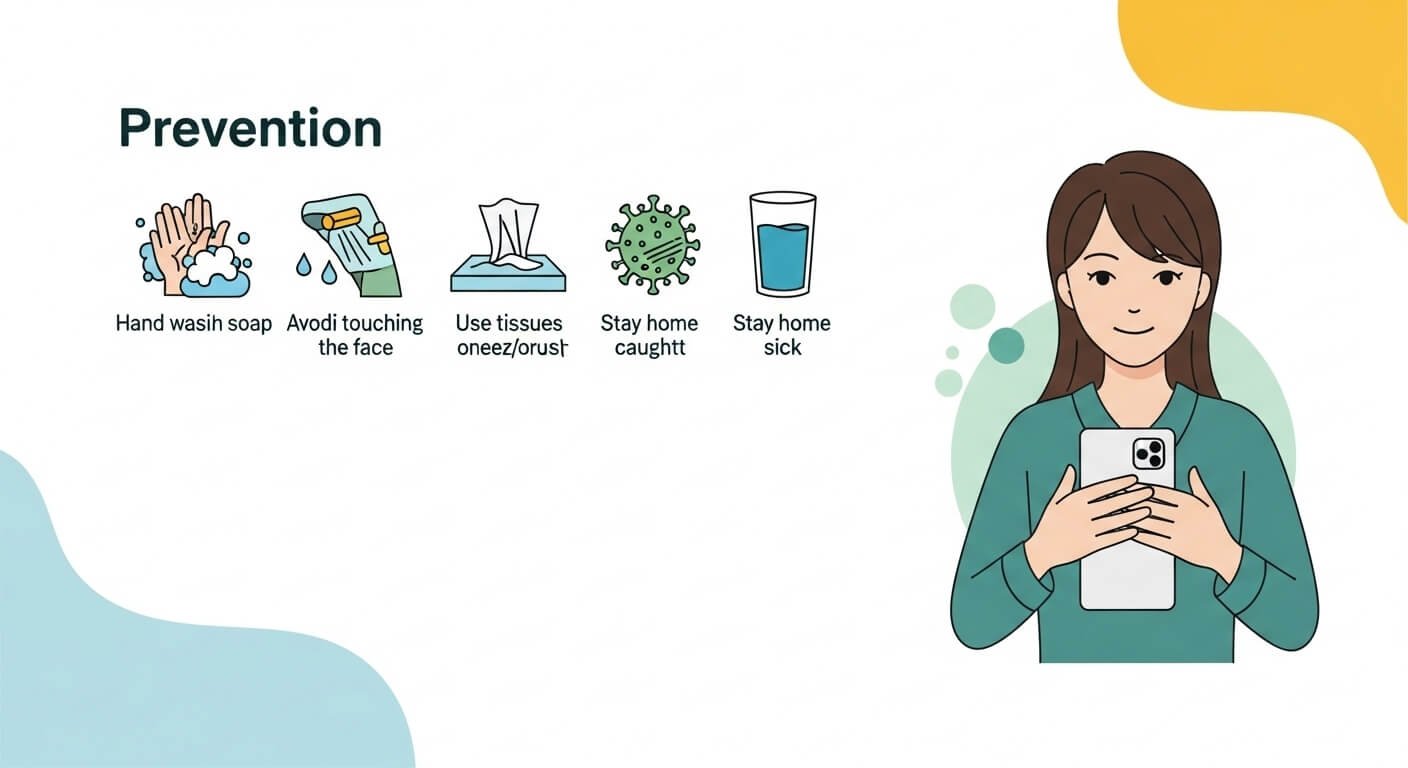
Wash your hands frequently
Handwashing remains the most effective way to stop the spread.
-
Avoid touching your face
Viruses enter the body through the nose, mouth, and eyes.
-
Manage allergies
Treating allergies reduces sinus inflammation.
-
Use humidifiers in dry climates
Moist air helps mucus drain properly.
-
Stay hydrated
Fluids thin mucus and improve drainage.
Strengthening Immune Defense
Healthy habits support your immune system.
Helpful practices include:
-
Regular exercise
-
Adequate sleep
-
Balanced nutrition
-
Stress management
People with strong immune systems typically recover faster from respiratory infections.
When a Sinus Infection Becomes Chronic
For some individuals, sinus infections become a long-term problem.
Chronic Sinusitis
Chronic sinusitis occurs when inflammation persists for more than 12 weeks despite treatment.
Symptoms often include:
-
Persistent congestion
-
Facial pressure
-
Reduced smell
-
Thick nasal drainage
Treatment Options for Chronic Cases
Doctors may recommend:
-
Prescription nasal corticosteroids
-
Allergy management
-
Long-term antibiotics in select cases
-
Immunotherapy
-
Sinus surgery
Surgery is typically considered only when other treatments fail.
The Bottom Line: Are Sinus Infections Contagious?
The question “Are sinus infections contagious?” has a nuanced answer. The sinus infection itself generally does not spread from person to person. However, viral illnesses that often trigger sinus infections can spread easily from person to person.
When someone catches a cold virus, inflammation may block the sinuses and create conditions where infection develops. Because of this connection, sinus infections frequently appear to spread through households, offices, and schools.
Good hygiene habits—especially handwashing, avoiding face touching, and managing allergies—greatly reduce the chances of developing sinusitis after a respiratory illness.
Understanding the difference between contagious viruses and non-contagious sinus infections allows people to take smarter steps to protect themselves while avoiding unnecessary worry about spreading the condition to others.