Introduction
Kasugano Sora stands as one of the most debated characters in modern anime, sparking intense discussions about storytelling boundaries, character development, and narrative controversy. Whether you encountered her through the visual novel Yosuga no Sora or the anime adaptation, this character leaves a lasting impression that divides audiences.
Let’s explore who this character really is, why she generates such polarizing reactions, and what her story reveals about anime’s willingness to tackle taboo subjects.
Who Is Kasugano Sora?
Kasugano Sora is the twin sister of the protagonist Kasugano Haruka in the visual novel and anime series Yosuga no Sora. The story follows these twins as they return to their rural hometown following their parents’ death in a car accident.
Sora is characterized by her frail health, emotional fragility, and complete emotional dependence on her twin brother. She rarely leaves the house, spends most of her time gaming or watching her brother, and struggles with basic social interactions.
Her physical appearance follows classic anime design conventions: petite build, long silver-white hair, blue eyes, and a generally delicate aesthetic that emphasizes her weakness and vulnerability.
Character Background and Setup
The twins inherit their late grandparents’ house in the countryside and attempt to rebuild their lives away from the city. Haruka takes on protective responsibilities while Sora remains largely isolated indoors.
Before their parents’ death, Sora suffered from a serious illness that required extended hospitalization. This medical history explains her physical weakness and contributes to the protective dynamic between the siblings.
The rural setting isolates them from their previous social circles, creating a closed environment where their codependent relationship intensifies without external moderation.
Why Kasugano Sora Generates Controversy
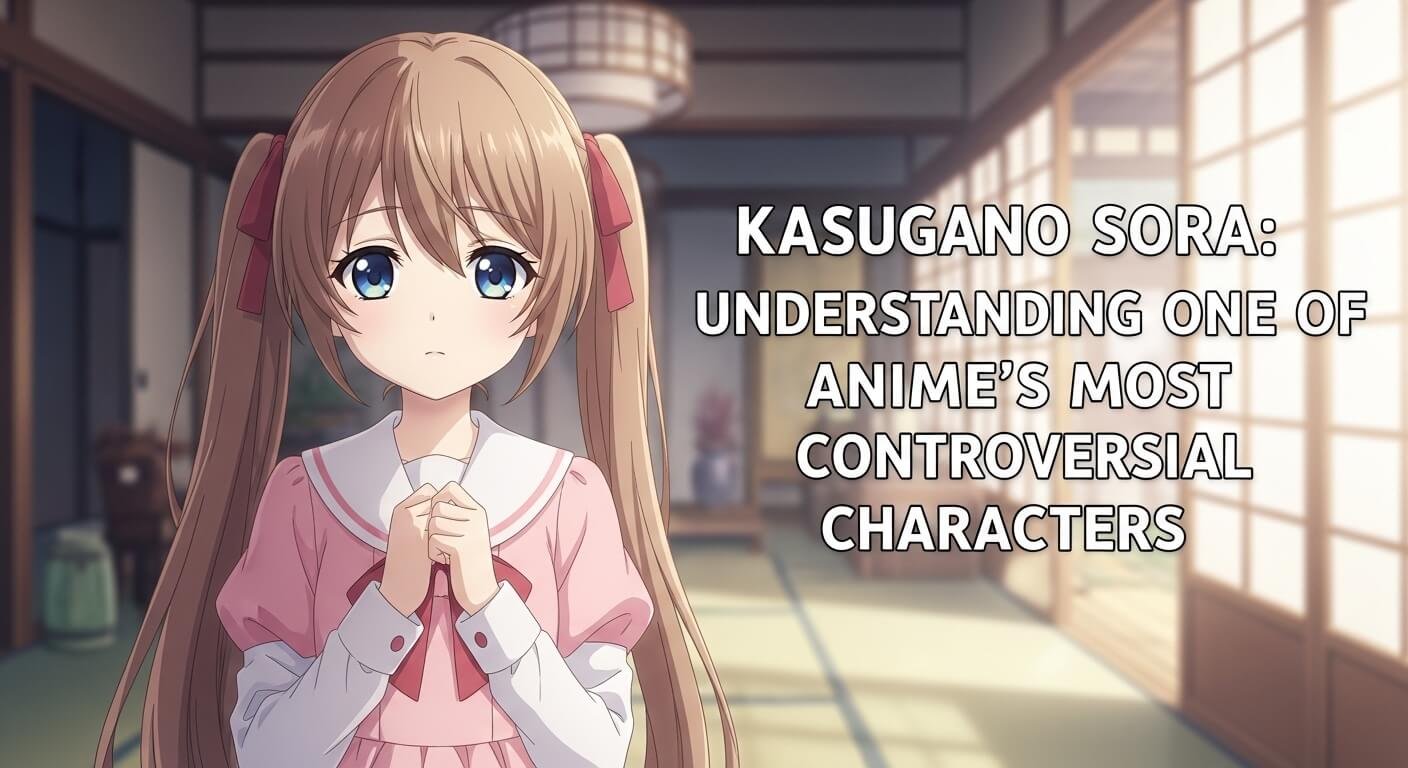
Here’s where we need to address the elephant in the room directly. Yosuga no Sora explores romantic and sexual relationships between the twin siblings, making it one of anime’s most controversial properties.
The series uses a branching narrative structure where Haruka pursues different romantic interests across various story arcs. Sora’s route represents the most controversial path, depicting the twins developing an explicitly romantic and sexual relationship.
This narrative choice sparked fierce debate within anime communities about:
- Ethical boundaries in fictional storytelling
- The difference between depicting taboo subjects and endorsing them
- Whether such content has artistic merit or crosses into exploitation
- The responsibility creators have regarding sensitive subject matter
The Cultural Context
Japanese visual novels and anime occasionally explore taboo relationships that would never receive mainstream acceptance in Western markets. Yosuga no Sora pushes these boundaries further than most commercial releases.
The series aired on Japanese television in 2010, though with significant censorship. Uncensored versions were released through home video, where the sexual content became explicit.
Western anime distributors largely avoided licensing this series for years due to its controversial content, though it eventually found limited release through niche distributors.
Audience Reactions
The anime community remains deeply divided on Kasugano Sora and the series as a whole:
Defenders argue:
- The series treats the relationship with emotional seriousness rather than shallow titillation
- It explores psychological complexity of codependency and grief
- Fictional taboo exploration doesn’t equal real-world endorsement
- The series acknowledges the relationship’s problematic nature
Critics contend:
- The content romanticizes harmful relationships
- Sora’s characterization reinforces problematic tropes
- The series sexualizes taboo content for commercial purposes
- It normalizes unhealthy emotional dynamics
Character Analysis: Beyond the Controversy
Setting aside the controversial relationship dynamics, examining Kasugano Sora as a character construction reveals interesting creative choices.
Dependency and Control
Sora’s personality revolves around control through apparent helplessness. She uses her physical weakness and emotional fragility to monopolize her brother’s attention and time.
When Haruka shows interest in other girls, Sora responds with manipulation tactics including feigned illness, emotional outbursts, and guilt-inducing behavior. These patterns reflect genuine psychological complexity rather than simple character traits.
Her gaming habits and self-imposed isolation serve as both coping mechanisms for trauma and tools for maintaining her brother’s focus on her needs.
Trauma Response
The death of their parents clearly traumatized both twins, but Sora’s response manifests through regression and increased dependency. She refuses to develop independence or engage with the outside world.
Her reluctance to leave the house, interact with potential friends, or participate in normal activities represents avoidance behavior rooted in fear of additional loss and change.
The series occasionally hints at deeper psychological issues predating the parents’ death, suggesting long-standing patterns rather than purely situational responses.
Physical Weakness as Narrative Device
Sora’s frail health serves multiple narrative functions. It justifies her isolation, creates natural caregiving dynamics with Haruka, and provides built-in drama through medical emergencies.
The series uses her physical vulnerability to emphasize her emotional and psychological vulnerability, creating a character who appears completely defenseless and in need of protection.
This design choice intentionally manipulates audience sympathies, making viewers want to protect her even when her behavior becomes manipulative or unhealthy.
The Anime Adaptation vs. Visual Novel
Understanding Kasugano Sora requires recognizing differences between the source material and anime adaptation.
Visual Novel Structure
The original visual novel uses a branching narrative where players make choices determining which romantic interest Haruka pursues. Sora’s route represents one possible path among several.
This structure contextualizes her story as one option rather than the definitive narrative, though her route typically unlocks last, suggesting the creators considered it the “true” ending.
Players choosing other routes still encounter Sora’s possessiveness and manipulation, but Haruka maintains appropriate boundaries and develops relationships with other characters instead.
Anime Omnibus Format
The anime adaptation uses an omnibus structure, showing each romantic route as separate story arcs. This approach means viewers experience all possibilities sequentially rather than choosing one path.
Sora appears throughout the series, with her possessiveness creating obstacles in other characters’ arcs before receiving focus in the final episodes dedicated to her route.
This structure allows the anime to explore multiple relationships while ultimately presenting Sora’s controversial route as the conclusion, giving it emphasis that intensified debate.
Censorship and Versions
The broadcast version of the anime censored sexual content through strategic camera angles, lighting effects, and cutting. The Blu-ray release removed these restrictions, presenting explicit content.
This dual-version approach allowed the series to air on television while providing uncensored content for the target audience willing to purchase home video releases.
Kasugano Sora’s character experiences significant differences between versions, with the uncensored edition making the sexual relationship far more explicit.
Character Design and Visual Presentation
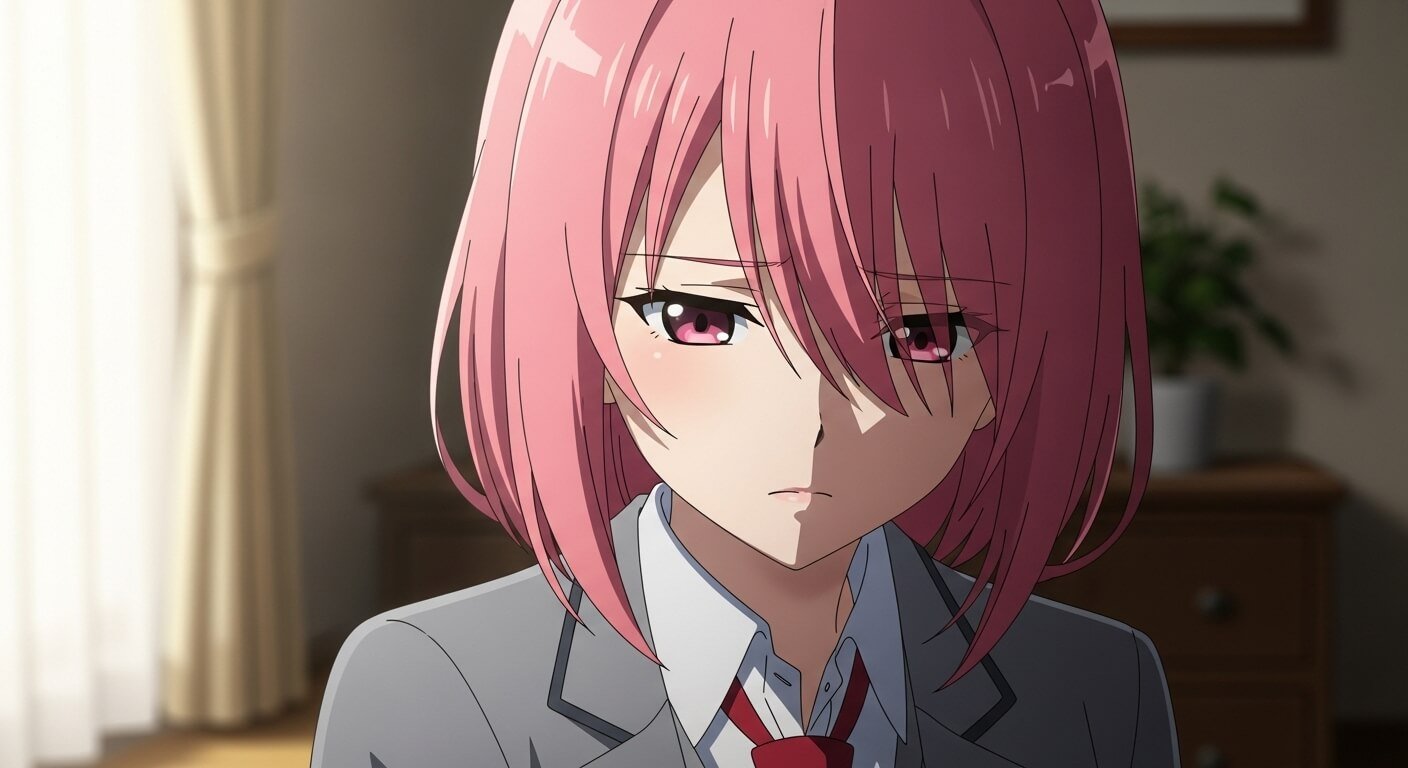
Sora’s visual design deliberately emphasizes vulnerability and appeals to specific aesthetic preferences within anime fandom.
Physical Characteristics
The design choices for
include:
- Extremely petite and thin build suggesting physical weakness
- Long, straight silver-white hair that requires care (subtly showing Haruka’s caretaking)
- Large blue eyes conveying innocence and emotion
- Pale skin tone reinforcing the shut-in lifestyle
- Loose, oversized clothing hiding her figure
These elements combine to create an appearance that reads as fragile, innocent, and requiring protection.
Color Symbolism
The white/silver hair carries symbolic weight representing purity, otherworldliness, and separation from normalcy. It visually distinguishes her from other characters with more realistic hair colors.
Her predominantly white and pale blue color palette reinforces associations with coldness, isolation, and ethereal detachment from everyday life.
Cultural Impact and Legacy
Despite (or perhaps because of) its controversial nature, Kasugano Sora left a measurable impact on anime culture.
Memetic Presence
The character became a recognized figure within anime communities, with her distinctive appearance making her identifiable even to those unfamiliar with the source material.
Specific scenes and images from the anime circulate widely in anime discussion spaces, often accompanied by knowing references to the controversial content.
The series’ opening theme became surprisingly popular, regularly appearing in anime music playlists and remix compilations despite the show’s niche appeal.
Influence on Similar Content
Yosuga no Sora demonstrated that television anime could push content boundaries further than previously assumed, likely influencing later series willing to explore controversial themes.
The omnibus narrative structure used for the anime adaptation has been replicated by other visual novel adaptations seeking to include multiple romantic routes.
Sora’s character archetype—the frail, possessive, emotionally dependent sister figure—appears in various subsequent anime and visual novels, though rarely with the same narrative extremity.
Merchandise and Commercial Success
Despite limited mainstream appeal, the series generated substantial merchandise sales targeting its core audience:
- Multiple figure releases featuring Kasugano Sora
- Art books and illustration collections
- Drama CDs expanding the story
- Soundtrack releases that sold well beyond the anime’s viewership numbers
This commercial performance demonstrated demand for controversial content within specific market segments.
Comparing Kasugano Sora to Similar Characters
Anime features numerous “possessive sister” characters, but Sora’s portrayal takes familiar tropes to extreme conclusions.
Conventional Sister Characters
Most anime sister characters maintain clearly defined boundaries even when displaying brother-oriented affection. They might show jealousy, possessiveness, or attraction, but narratives typically don’t consummate these feelings.
Characters like Kirino from Oreimo or Sagiri from Eromanga Sensei dance around taboo implications while ultimately maintaining plausible deniability and appropriate boundaries.
Kasugano Sora differs by making subtext explicit, transforming implications into actual narrative events.
Codependent Character Archetypes
Beyond sibling dynamics specifically, Sora shares characteristics with other codependent anime characters who center their entire existence around a single person.
Characters like Yuno Gasai from Future Diary or Shion Sonozaki from Higurashi demonstrate similar obsessive attachment, though directed at non-family romantic interests.
Sora’s codependency manifests through apparent helplessness rather than violent possessiveness, making her manipulation subtler but equally totalizing.
Critical Analysis: What Does This Character Represent?
Stepping back from moral judgments, Kasugano Sora serves as a case study in controversial character construction and narrative risk-taking.
The Fragility Fantasy
Sora represents an extreme manifestation of the “fragile girl who needs protection” fantasy common in certain anime demographics. She takes this archetype to its logical conclusion: complete helplessness and total dependency.
This characterization appeals to viewers who find satisfaction in caregiving fantasies, though it raises questions about whether such extreme portrayals reinforce unhealthy relationship models.
Grief and Maladaptive Coping
From a psychological perspective, Sora embodies maladaptive responses to traumatic loss. Her regression, social withdrawal, and desperate attachment to her remaining family member reflect realistic trauma responses taken to narrative extremes.
The series arguably explores how grief can twist relationships into unhealthy configurations when individuals lack proper support systems and coping mechanisms.
Boundary Testing in Storytelling
Yosuga no Sora and Kasugano Sora specifically test how far anime storytelling can push taboo subjects. The series asks whether fiction can explore forbidden topics seriously or whether some subjects should remain off-limits regardless of treatment.
This question lacks easy answers and continues generating debate years after the series’ original release.
Should You Watch Yosuga no Sora?
This question requires an honest assessment of your interests, boundaries, and comfort with controversial content.
Reasons to Consider Watching
Narrative curiosity: If you’re interested in how anime handles taboo subjects, this series provides a clear example
Visual novel adaptation study: The omnibus structure offers an interesting approach to adapting branching narratives
Character study: Sora presents complex psychological manipulation and dependency worth analyzing
Artistic examination: Evaluating how creators frame controversial content reveals much about narrative choices and audience manipulation
Reasons to Skip It
Discomfort with taboo content: If sibling romance content disturbs you, this series will cross your boundaries
Sexual content concerns: The uncensored version contains explicit material that many viewers find objectionable
Preference for lighter material: This isn’t escapist entertainment; it’s deliberately provocative and emotionally heavy
Ethical objections: Valid moral concerns about this content type make skipping entirely reasonable
Viewing Recommendations
If you decide to watch, approach it analytically rather than purely for entertainment. Consider the creative choices, narrative framing, and character construction rather than taking content at face value.
Be aware that different versions exist with varying levels of explicit content. Choose the version appropriate for your comfort level and viewing context.
Recognize this series doesn’t represent mainstream anime. It occupies a controversial niche that most anime avoids entirely.
The Broader Conversation About Characters Like Kasugano Sora
Sora’s character raises important questions about fictional representation, creative freedom, and audience responsibility.
Fiction vs. Reality
The fundamental debate centers on whether fiction depicting taboo relationships causes real-world harm or provides safe exploration of forbidden subjects. Research on this question remains inconclusive and contentious.
Defenders of creative freedom argue that fiction exploring taboo subjects doesn’t endorse them in reality, while critics contend that romanticized portrayals normalize harmful dynamics.
Creator Responsibility
Content creators face questions about their responsibility regarding potentially harmful portrayals. Should artists self-censor to avoid normalizing unhealthy relationships, or does creative freedom override these concerns?
Yosuga no Sora’s creators chose to explore controversial territory, accepting the backlash and limited commercial reach that resulted.
Audience Engagement
Viewers bear responsibility for critically engaging with controversial content rather than passively consuming it. Recognizing unhealthy dynamics in fiction doesn’t require avoiding all problematic content but demands thoughtful consideration.
Kasugano Sora works as a character study in manipulation and codependency specifically because viewers can identify these patterns and consider their implications.
Final Thoughts on This Controversial Character
Kasugano Sora represents anime’s willingness to explore territory that mainstream entertainment avoids entirely. Whether this boldness represents artistic courage or irresponsible content creation depends largely on individual perspective and values.
The character herself is carefully constructed to generate specific emotional responses: sympathy, protectiveness, and attraction despite (or perhaps because of) her obvious emotional manipulation. This design demonstrates sophisticated understanding of audience psychology, even if deployed toward controversial ends.
Her legacy within anime culture reflects both fascination and discomfort with boundary-pushing content. She remains recognizable years after the series’ release, proof that controversial characters generate lasting impact even within niche audiences.
Understanding Kasugano Sora requires separating the character construction from moral judgments about the content itself. She’s skillfully designed to serve specific narrative purposes and audience appeals, regardless of whether those purposes and appeals deserve serving. That distinction matters for anyone seeking to understand rather than simply condemn or defend controversial anime content.