Introduction
Pick up a tomato, and you are holding something that has been called a fruit, taxed as a vegetable, blamed for poisoning European aristocrats, and credited with reducing heart disease risk. For something so ordinary, it carries an extraordinary amount of history, nutrition, and culinary weight.
The tomato is one of the most consumed foods on earth — and most people have no idea how to get the best out of it. Whether you grow them, cook with them, or simply throw them in a salad without thinking twice, there is far more to this bright, humble ingredient than you might expect.
This is the complete guide to the tomato: its origins, nutrition, health benefits, the best ways to eat and cook it, and why it deserves far more respect than it gets.
What Exactly Is a Tomato — and Why Does It Confuse Everyone?
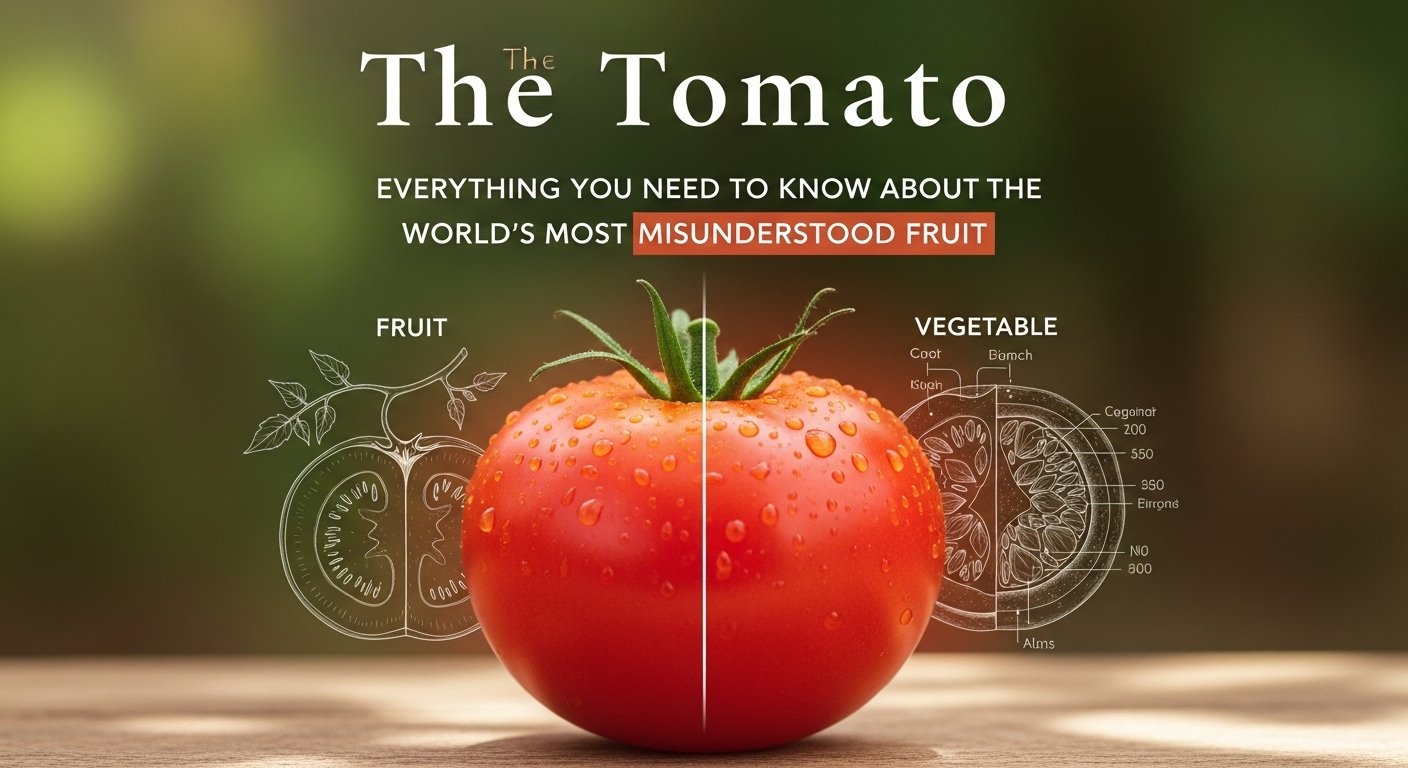
Here is the argument that has been running since 1893: the tomato is, botanically speaking, a fruit. It develops from the flower of the plant and contains seeds, which is the textbook definition. But in that same year, the United States Supreme Court ruled it a vegetable — specifically for tariff purposes — because it is eaten as part of a savoury meal rather than a dessert.
Both sides are correct, depending on who you ask and why.
Botanically: fruit. Culinarily and legally (in the US): vegetable. This is not a meaningless debate — it tells you something important about how the tomato lives at the intersection of science, culture, and cuisine in a way no other food quite manages.
Where Tomatoes Originally Come From
The tomato is native to western South America, where wild varieties grew in the Andes. The Aztecs cultivated early forms of it, and Spanish conquistadors brought it back to Europe in the 16th century.
European reception was cold, to put it mildly. For nearly two centuries, many Europeans believed the tomato was poisonous — not entirely without reason. The leaves and stems of the plant contain tomatine and solanine, mildly toxic alkaloids from the nightshade family. The fruit itself is completely safe, but the reputation stuck for generations.
It was southern Italy and Spain that first embraced the tomato as food, and it spread from there. By the 18th and 19th centuries, it had become central to Mediterranean cuisine and, eventually, global cooking.
The Tomato’s Botanical Family
The tomato belongs to the Solanaceae family, also called nightshades, alongside potatoes, aubergines, and peppers. Its scientific name is Solanum lycopersicum. The word “lycopersicum” means “wolf peach” in Latin — a name that still echoes the old fear that it was as dangerous as a wolf and as deceptive as a peach.
The Nutritional Profile of a Tomato: Small Fruit, Serious Power
A medium raw tomato (approximately 123 grams) contains:
- Calories: 22
- Carbohydrates: 4.8g
- Fibre: 1.5g
- Protein: 1.1g
- Fat: 0.2g
- Vitamin C: 28% of the daily recommended intake
- Vitamin K: 12% of the daily value
- Potassium: 292mg
- Folate: 7% of the daily value
That is a remarkable nutrient-to-calorie ratio. Very few foods deliver this breadth of vitamins and minerals at under 25 calories per serving.
Lycopene: The Star Compound
The most important thing in a tomato that you cannot see, smell, or taste is lycopene — a carotenoid antioxidant that gives the fruit its red colour.
Lycopene is one of the most potent antioxidants found in food. Research has linked high lycopene intake to reduced risk of prostate cancer, cardiovascular disease, and certain age-related eye conditions. A 2018 meta-analysis published in Medicine found that higher lycopene consumption was associated with a 26% reduced risk of prostate cancer.
One fact surprises most people: lycopene is better absorbed from cooked tomatoes than raw ones. Cooking breaks down the cell walls of the tomato and releases more of the compound. Adding a small amount of fat — olive oil, for example — increases absorption even further because lycopene is fat-soluble.
This means a slow-cooked tomato sauce with olive oil is, from a pure nutrition standpoint, more valuable than a fresh tomato slice.
Other Key Antioxidants
Tomatoes contain several other compounds worth noting:
- Beta-carotene — converts to Vitamin A in the body, supporting vision and immune function.
- Naringenin — a flavonoid found in tomato skin with potential anti-inflammatory effects.
- Chlorogenic acid — may help lower blood pressure.
- Vitamin C — supports collagen production and immune defence.
Proven Health Benefits of Eating Tomatoes Regularly
The research on tomatoes and human health is more robust than most people realise. This is not superfood marketing — the data is legitimately compelling.
Heart Health
Studies consistently show that regular tomato consumption supports cardiovascular health through multiple pathways. Lycopene reduces LDL (bad) cholesterol oxidation, which is a key driver of arterial plaque buildup. Potassium helps regulate blood pressure. And the combined antioxidant load reduces systemic inflammation, a root cause of most heart disease.
A large European study (the EPIC cohort) found that high tomato intake was associated with significantly lower rates of stroke in women. The researchers pointed specifically to the anti-inflammatory and anti-clotting properties of tomato antioxidants.
Cancer Risk Reduction
The link between lycopene and reduced prostate cancer risk is the most studied, but tomatoes show promise across several cancer types. Research has found associations between high tomato consumption and lower rates of lung, stomach, and colorectal cancers, though more work is needed to establish direct causation.
Importantly, whole tomatoes appear more protective than isolated lycopene supplements — the full nutritional matrix of the fruit seems to matter.
Skin Protection
Lycopene may protect skin against UV-induced damage from the inside out. A German study found that participants who consumed tomato paste daily for 10 weeks showed 33% more protection against sunburn than the control group.
This does not replace sunscreen — not even close. But it does suggest that your diet meaningfully affects your skin’s resilience.
Gut Health
The fibre in tomatoes supports healthy digestion and feeds beneficial gut bacteria. Tomatoes also contain water in abundance (about 95% by weight), which supports bowel regularity. For people eating processed, fibre-poor diets, adding tomatoes is one of the simplest upgrades available.
The Best Ways to Cook and Eat Tomatoes
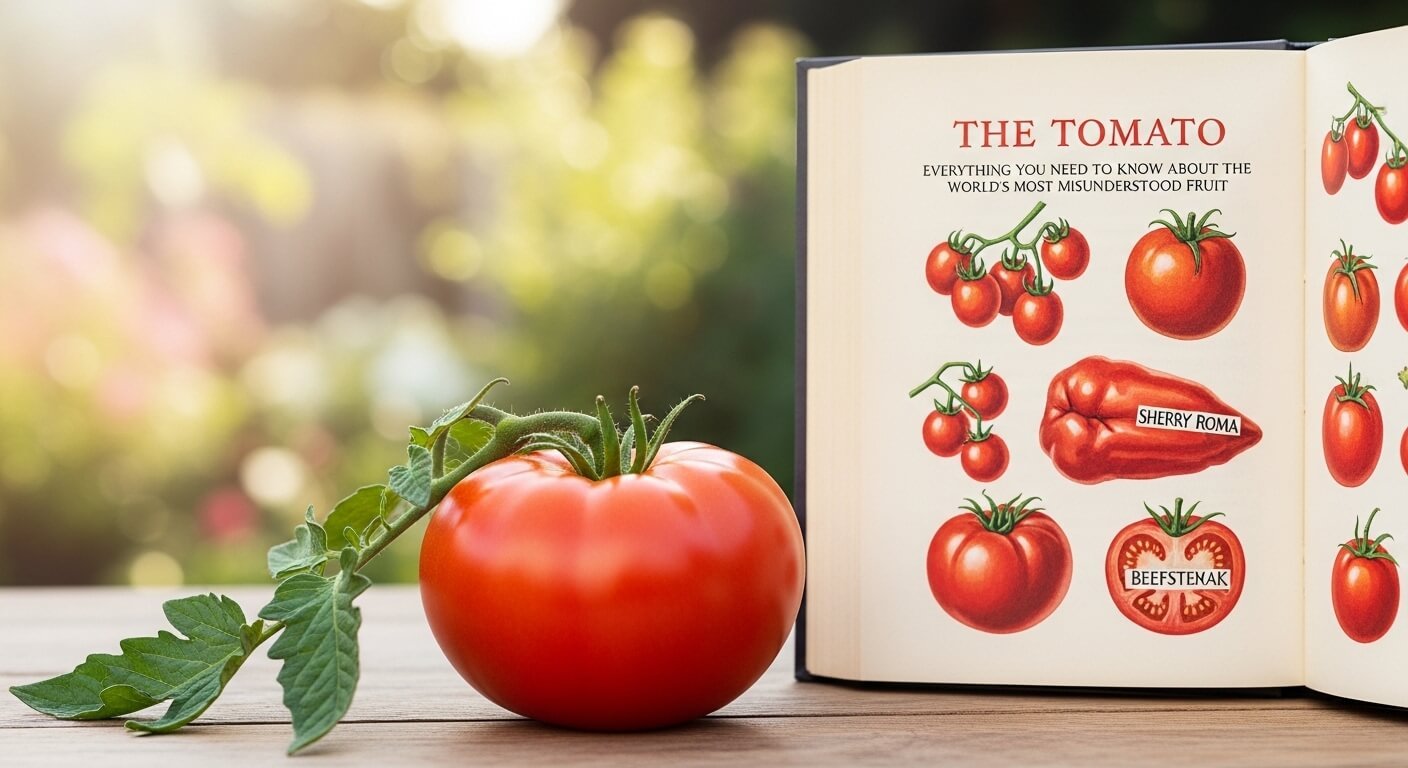
Raw or cooked — the answer depends on what you want from them.
When to Eat Tomatoes Raw
Raw tomatoes retain more Vitamin C, which is heat-sensitive and degrades with cooking. They also carry a fresh, acidic brightness that cooking transforms into something deeper and sweeter but fundamentally different.
The best raw preparations:
- Caprese salad — ripe tomatoes, fresh mozzarella, basil, and good olive oil. Simplicity at its finest.
- Pico de gallo — finely diced tomatoes, onion, coriander, lime, and chilli. Texture-forward and vivid.
- Sliced with sea salt — underrated. A genuinely ripe tomato with nothing but flaked salt needs nothing else.
- Gazpacho — technically raw, blended into a chilled soup that captures the flavour of peak summer.
The critical rule for raw tomatoes: temperature. Never refrigerate a tomato if you can avoid it. Cold suppresses the volatile compounds responsible for flavour and creates a mealy texture. Room temperature storage, eaten within a few days, is always better.
When to Cook Tomatoes
Cooking concentrates flavour, increases lycopene bioavailability, and creates textural versatility. These are the preparations that reward slow attention:
- Slow-roasted tomatoes — halved, drizzled with olive oil, sprinkled with thyme and garlic, cooked low and slow at 150°C for 2 hours. Intensely flavourful. Excellent on bread, pasta, or eaten directly from the tray.
- Tomato sauce from scratch — tinned whole tomatoes crushed by hand, sautéed onion and garlic, olive oil, a pinch of sugar. Simmered for 45 minutes. This is the foundation of Italian cooking for a reason.
- Shakshuka — poached eggs in a spiced tomato sauce. One of the most nutritionally complete, satisfying meals achievable in 20 minutes.
- Tomato soup — roasted tomatoes blended with stock, a little cream, and fresh basil. Nothing in a tin comes close to the homemade version.
- Braised meat sauces — tomatoes and slow-cooked meat are one of the great culinary partnerships. The acidity tenderises protein while the meat’s fat enriches the sauce.
A Note on Tinned Tomatoes
Tinned tomatoes are one of the most useful, underrated ingredients in any kitchen. They are picked and processed at peak ripeness, meaning their flavour and nutrition are often superior to out-of-season fresh tomatoes. San Marzano tomatoes from Italy are widely regarded as the finest variety for cooking — worth seeking out for sauces.
Tomato Varieties: Which One Should You Choose?
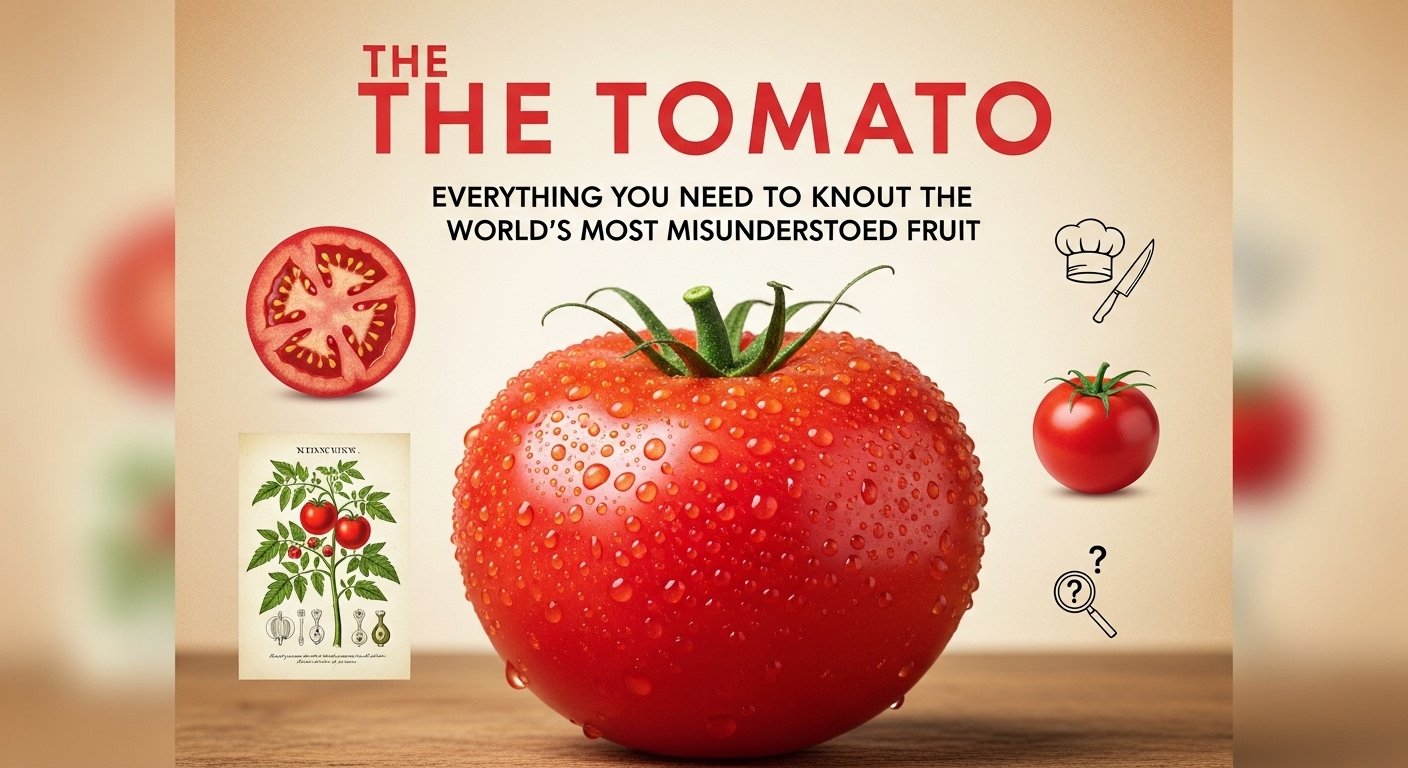
There are over 10,000 known varieties of tomato, but most people encounter only a handful. Knowing the differences changes how you cook.
The Main Types
Beefsteak tomatoes are large, meaty, low in seeds, and ideal for slicing. Their low water content makes them the best raw tomato for sandwiches and salads where you do not want excess liquid.
Cherry tomatoes are small, sweet, and high in sugar relative to their size. They caramelise beautifully when roasted and hold their shape well. Excellent raw as a snack or in salads.
Plum tomatoes (including San Marzano and Roma varieties) are dense, flavourful, and low in water — which is why they are the gold standard for sauce-making. Less acidity, more flesh per fruit.
Vine tomatoes ripen together on the vine and tend to be more uniformly flavoured than loose supermarket tomatoes. The vine itself continues to feed the fruit after harvest, which is why vine tomatoes keep their flavour longer.
Heirloom tomatoes are open-pollinated varieties that have not been hybridised for commercial uniformity. They come in extraordinary colours — deep purple, striped green, bright yellow — and their flavour is often far more complex than commercial red tomatoes. They bruise more easily and have shorter shelf lives, which is why supermarkets rarely stock them. Farmers’ markets are the best source.
Which Variety to Buy for What Purpose
| Purpose | Best variety |
|---|---|
| Fresh salads | Beefsteak or heirloom |
| Pasta sauce | Plum / San Marzano |
| Roasting | Cherry tomatoes |
| Sandwiches | Beefsteak |
| Snacking raw | Cherry tomatoes |
| Soup | Plum or vine |
Growing Your Own Tomatoes: What You Need to Know
Home-grown tomatoes are categorically better than shop-bought ones. This is not nostalgia — it is chemistry. Commercial tomatoes are bred for uniformity, shelf life, and shipping durability, not flavour. Home-grown varieties, allowed to ripen fully on the vine, develop a complexity that supermarket fruit simply cannot match.
Getting Started
Tomatoes are warm-season plants that need:
- Full sun — at least 6–8 hours of direct sunlight daily.
- Consistent watering — irregular watering causes blossom end rot and cracking.
- Good drainage — waterlogged roots kill the plant.
- Support — most varieties grow tall and need staking or a cage.
Starting from seed indoors 6–8 weeks before the last frost date gives you a head start. Transplant outdoors only when temperatures stay reliably above 10°C at night.
Common Problems and How to Fix Them
Blossom end rot — a dark, sunken patch at the bottom of the fruit. Caused by calcium deficiency, usually triggered by inconsistent watering rather than a lack of calcium in the soil. Solution: water more evenly.
Splitting — fruit cracks open after heavy rain following a dry period. Solution: mulch around the base to regulate soil moisture.
Yellowing leaves — could be overwatering, nitrogen deficiency, or a fungal issue. Assess each possibility separately.
Blight — a fungal disease that spreads rapidly in wet conditions. Prevention through good air circulation and avoiding overhead watering is easier than cure.
Pros and Cons of Tomatoes: An Honest Assessment
Pros
- Exceptionally nutrient-dense relative to calorie content
- One of the richest dietary sources of lycopene available
- Versatile across raw and cooked applications
- Inexpensive and widely available year-round
- Long shelf life at room temperature when kept correctly
- Easy to grow at home with minimal experience
Cons
- Nightshade family membership means some people with inflammatory conditions (like certain arthritis sufferers) report sensitivity, though evidence is mixed
- Highly acidic — can aggravate acid reflux or GERD in some individuals
- Out-of-season supermarket tomatoes can be watery and flavourless, discouraging regular consumption
- Pesticide residue: tomatoes regularly appear on environmental watchdog lists for pesticide levels, making organic a worthwhile consideration where possible
Who Should Be Cautious
Most people tolerate tomatoes without any issue. However, individuals with:
- GERD or frequent heartburn may find that tomatoes worsen symptoms due to their acidity.
- Kidney disease patients should monitor their potassium intake, and tomatoes (particularly concentrated forms like paste and sauce) are high in potassium.
- Nightshade sensitivity — a real but rare condition — may cause joint or digestive discomfort, which correlates with tomato consumption.
If any of these apply, speak with a healthcare professional rather than eliminating tomatoes without guidance.
Tomato vs. Other Common Vegetables: How Does It Compare?
People often ask how the tomato stacks up nutritionally against other everyday options. Here is a quick comparison per 100g raw:
| Food | Calories | Vitamin C | Lycopene | Fibre |
|---|---|---|---|---|
| Tomato | 18 | 14mg | 2,573mcg | 1.2g |
| Red bell pepper | 31 | 128mg | trace | 2.1g |
| Carrot | 41 | 6mg | 0 | 2.8g |
| Cucumber | 15 | 3mg | 0 | 0.5g |
| Spinach | 23 | 28mg | 0 | 2.2g |
The tomato’s Vitamin C is modest compared to red pepper, but its lycopene content is unmatched by almost any other food. No other common vegetable (or fruit) comes close to delivering that specific antioxidant in meaningful quantities.
Bell peppers beat tomatoes on Vitamin C. Carrots and spinach beat them on fibre. But for lycopene specifically, the tomato stands alone.
The Verdict on Tomatoes
The tomato does not need much defending — the evidence is already there. Regular consumption supports heart health, provides one of the best dietary sources of lycopene available, delivers impressive nutrition at very low caloric cost, and makes cooking better in almost every cuisine on earth.
The most important practical takeaways are these: buy the ripest tomatoes you can find, store them at room temperature, and cook them often with a little olive oil. These three habits alone will meaningfully increase both the flavour you get and the nutrition you absorb.
If you have access to a garden or even a single sunny windowsill, grow your own. The difference between a shop-bought tomato and one eaten minutes after picking is not subtle — it will genuinely change how you think about this fruit.
The tomato has survived two centuries of suspicion, a Supreme Court ruling, and the indignity of being served pale and tasteless in millions of fast food outlets. It is still here, still essential, still quietly one of the most powerful foods in the human diet. Give it the attention it has always deserved.